This is a little jewel of a kit and although I am not a great fan of modern jets, especially if they are all grey(!), I was quite taken by its stunning quality and felt I had to build it almost for it’s own sake.
This is the USMC B version and is slightly smaller than the Naval C version, but comes with extended undercarriage for take off from carrier decks. It is a 5th generation stealth fighter and comes in three variants, A (USAF), B (Marines) and C (US Navy).
The question is do the Americans have a “Kill Switch” for the F-35!? If you are reading this Donald Trump, please let us know!
This is VMFA-211 “Wake Island Avengers”, First Combat deployment, USS Essex, Middle East, 2018
One of the most complex models I have ever built! However, it was not as bad as it looked and due to fine Tamiya engineering and instructions, the build was relatively straightforward. The most challenging aspect was building and painting all the sea float planes but again a little patience and perseverance saved the day!
I think the ship has beautiful lines!
I added the photo-etch railing on the lower deck. I was going to add it all around the top deck but it was too fiddly and time consuming so I just added it to the forward section. The de-gaussing cable which runs around the hull of the ship was a feature of Japanese ships of the period and this was added from a separate photo-etch Tamiya set.
The Japanese sailors in their white summer uniforms were added from a resin set. They were very hard to fix but they do show off the size of the ship.
The photo-etch de-gaussing cable.
Torpedo tubes on lower deck.
The railings kept coming off and were hard to conform to the shape of the ship. Next time, I will cut them into shorter sections. We live and learn!
The de-gaussing (anti-magnetic mine) cable on the starboard side.
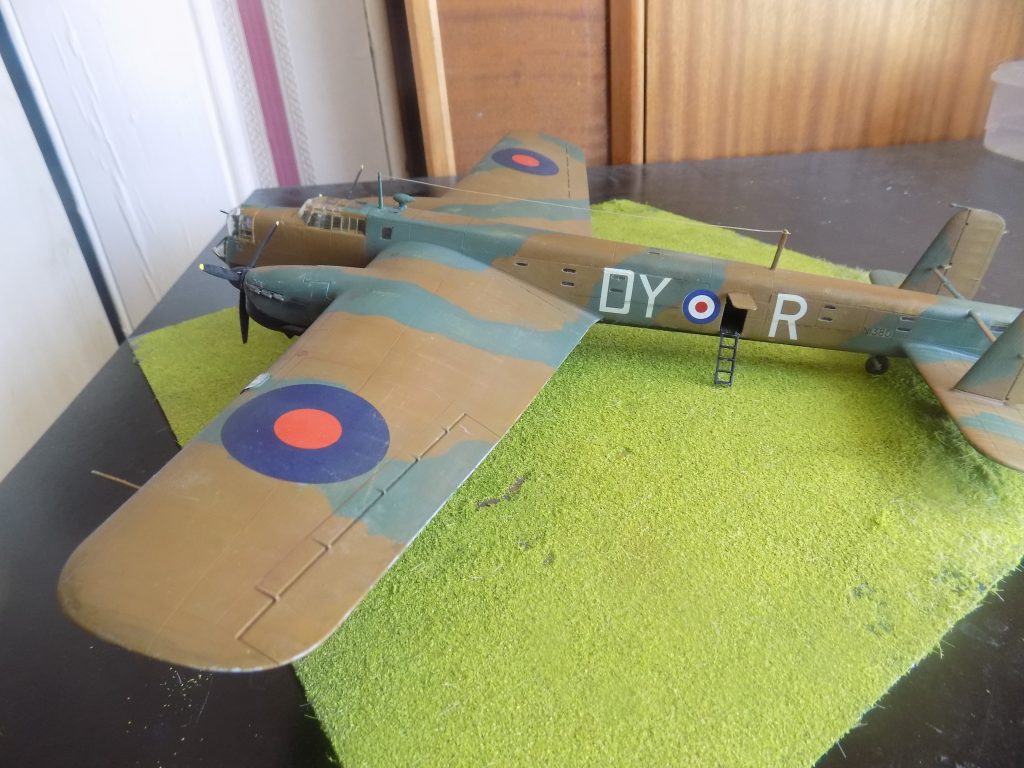
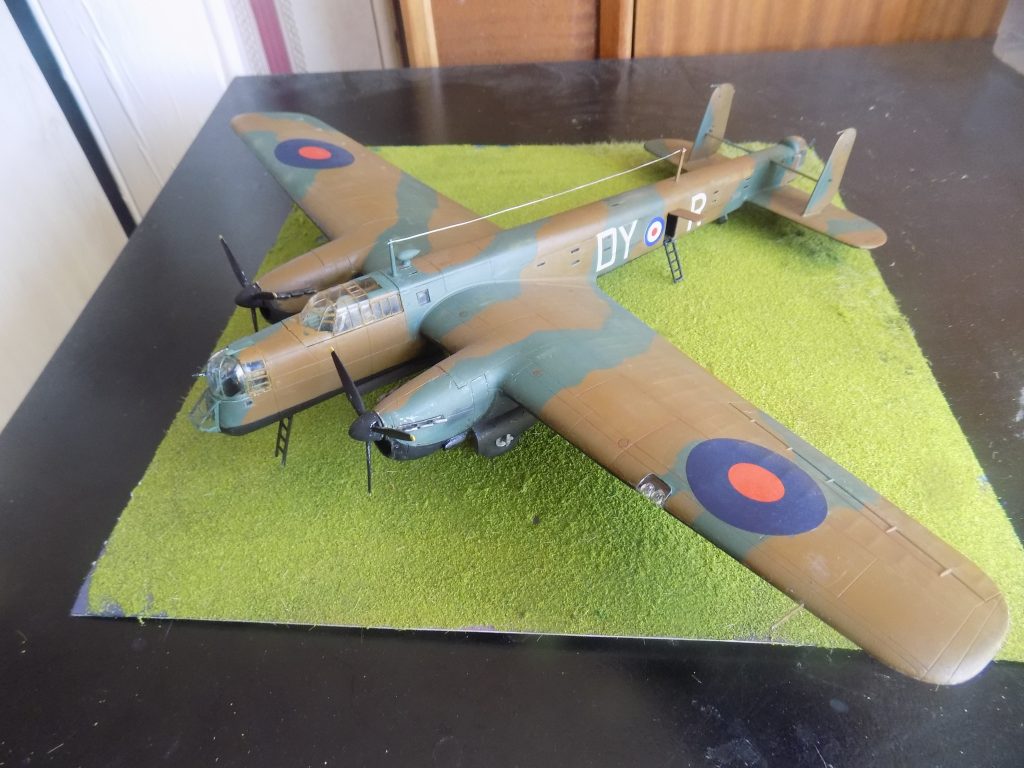
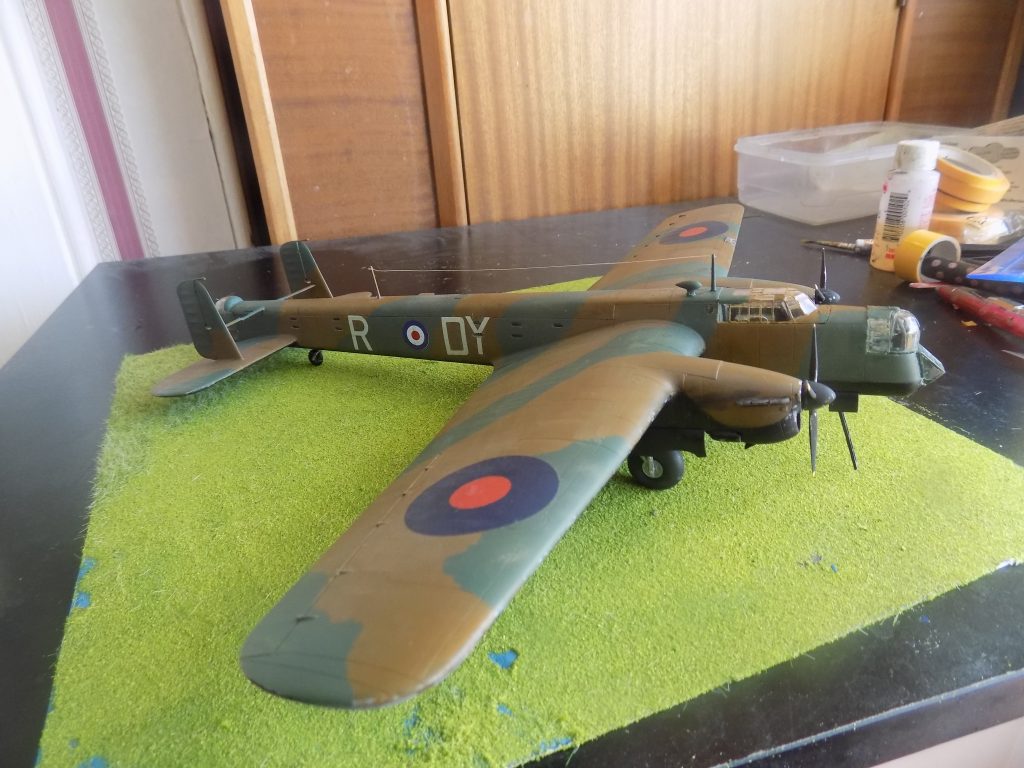
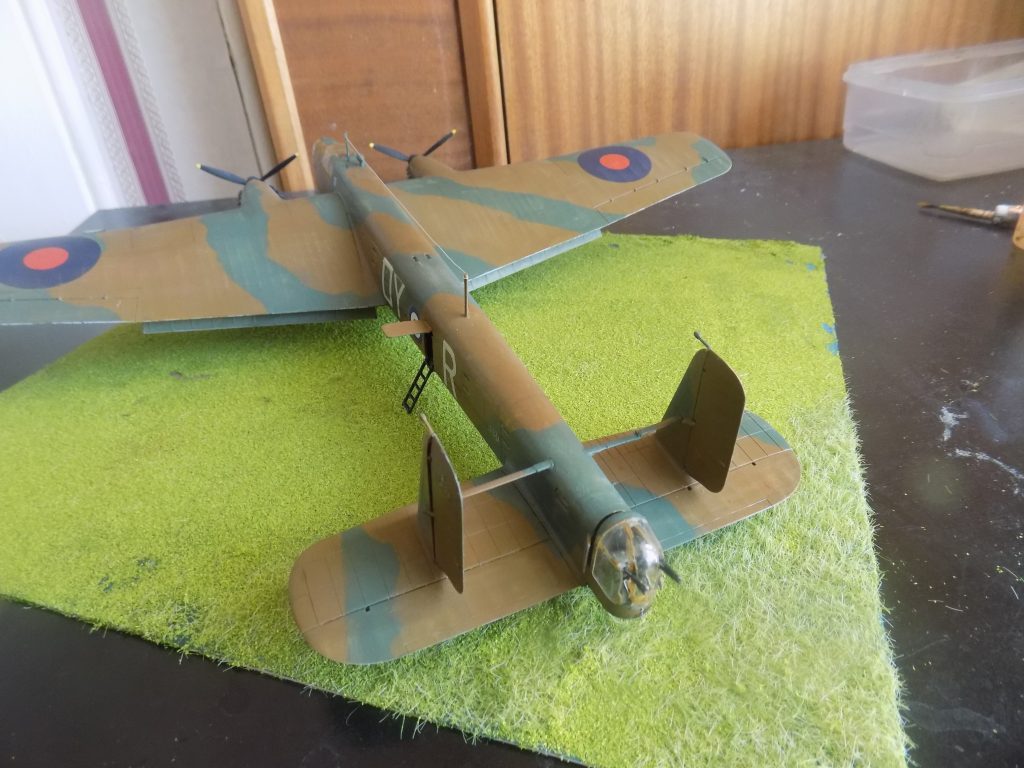
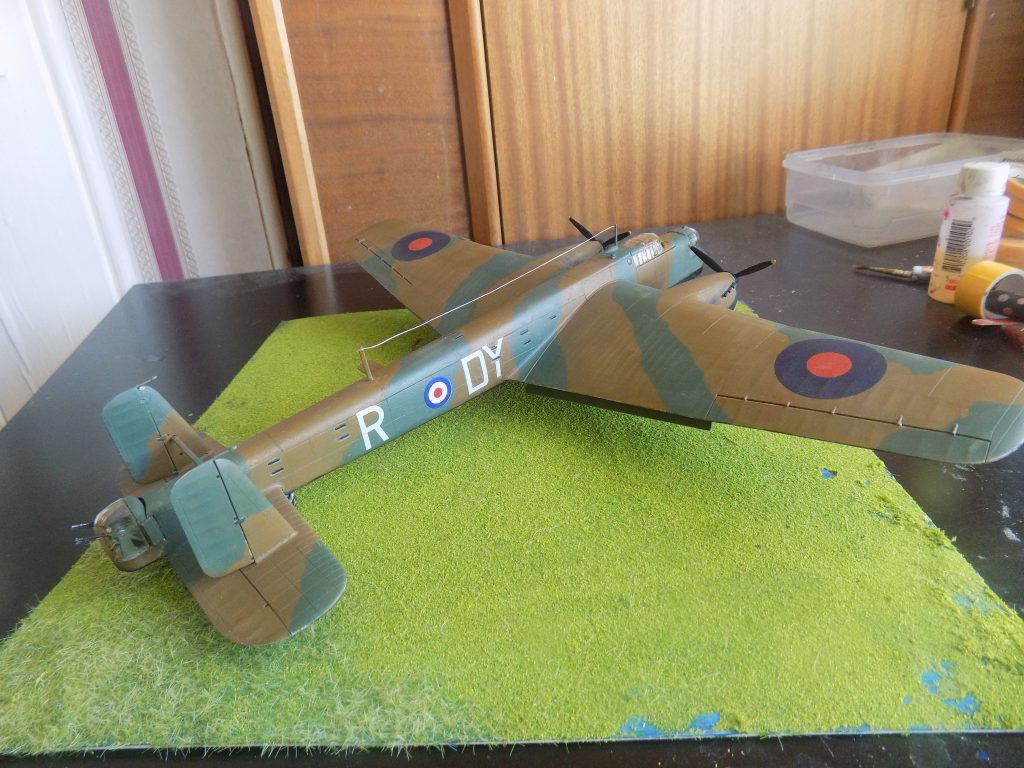
Flown by Squadron Leader John Charles MacDonald, No. 102 Squadron, No 4 Group, Bomber Command. RAF Driffield, Yorkshire, March 1940.
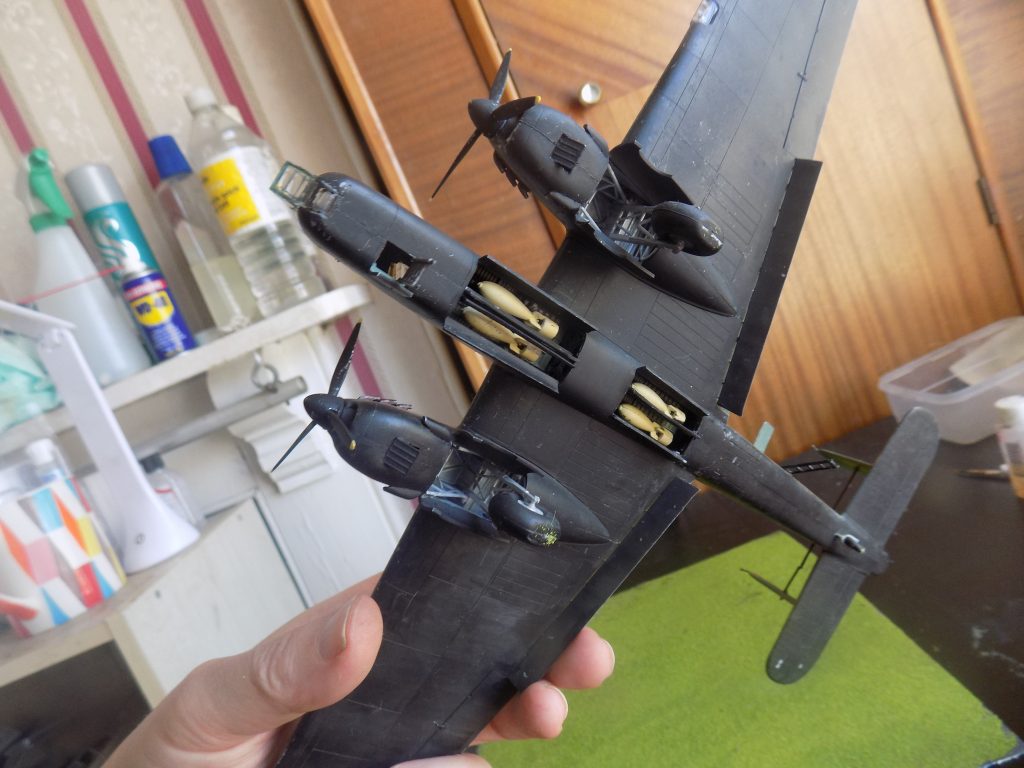
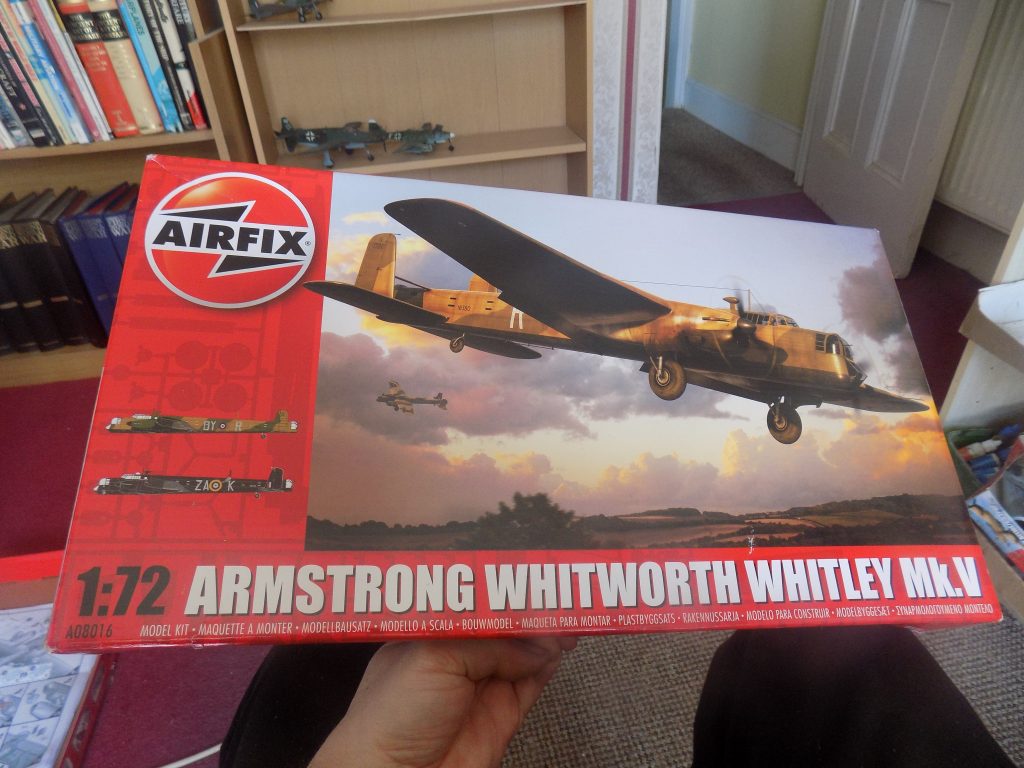
This is a new release by Airfix and overall a fine model with fine recessed panel lines. There were a few glitches, e.g. holes were missing for attaching parts D52 and C31. I messed up the varnishing process and as a result ruined the kit decals, which had silvered badly anyway. Luckily, I had some roundels and code letters in the spares box which worked better. There was the option to make the all-black night fighter version but I preferred the more colourful standard dark earth and dark earth with black underside version.
At the start of WW2 and before the introduction of the heavy bombers, the RAF had to make do with the stop-gap bombers, the four twin-engined Hampden, Blenheim, Whitley and Wellington, and worst of the bunch, the Fairey Battle. These aircraft constituted the backbone of Bomber Command well into 1942.
The Whitley V was powered by the excellent Rolls Royce Merlin and could cruise at 165mph with a 8,000-lb bomb load over short distances.
‘A vital part of Bomber Command until the introduction of the four engine heavy bombers, the Whitley took part in the first RAF bombing raid on German territory, and also performed many leaflet dropping sorties in the early days of the war (see below). Always intended for night time operations the Whitley was a slow machine with docile handling characteristics but with a ceiling of just 15,000 ft with a full bomb load it was still vulnerable. After its retirement from front line bombing duties many served with the RAF’s Coastal Command or as a glider tug and transport machine.’ (Airfix).
According to Max Hastings: ‘ The Whitley looked for all the world like a rather pedantic, middle-aged pipe-smoker, with its jutting chin mounting a single Vickers K gun and its extraordinary tail-high attitude in flight. On its debut in 1937, Flight magazine wrote: ‘The Whitley is as kind to its crew as it is likely to be unkind to any enemy down below’. Yet in reality the essential weakness of all Bomber Command’s early wartime aircraft was their mass of inadequate ancillary equipment prone to technical failure and their utter lack of basic comfort for crews compelled to live in them for ten hours at a stretch. Each aircraft carried a crew of five: two pilots; a navigator; a wireless operator, who usually spent much of the trip with his1155 set in pieces in front of him, or struggling to coax more power out of the Whitley’s generators; and a rear gunner, who nursed his four Brownings in a power-operated turret mounted between the twin booms of the tail’. (Max Hastings, ‘Bomber Command’, 1979).
The canopy fitted reasonably well but still took some careful paring of the fuselage to get a better fit. The nose area was tricky too. Not a kit to be rushed!Some slight weathering Box art
‘Bomber Command launched its first attack of the war against a land target on the night of 19 March 1940, when twenty Hampdens from 5 Group and thirty Whitleys of 4 Group attacked the German Seaplane base of Hornum, on the island of Sylt, a few miles west of the German-Danish coast.
Seven of the Whitleys came from 10 Squadron at Dishforth in Yorkshire, led by their flamboyand squadron commander, Bill Staton. The crews were full of excitement and apprehension to be carrying a live bomb load at last. There had been so many months of dreary ‘nickellin’-dropping propaganda leaflets over Germany, an exercise which they heartily agreed with Arthur Harris had done no more than ‘provide the enemy with five years free supply of lavatory paper’ (Hastings, ‘Bomber Command’ 1979).
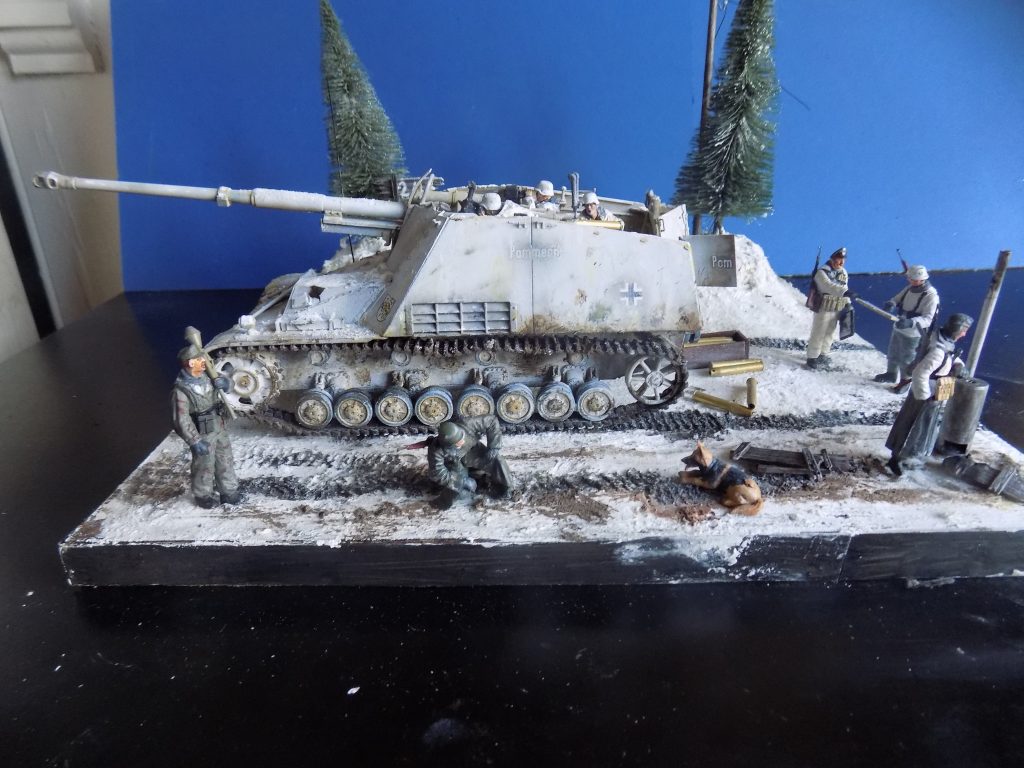
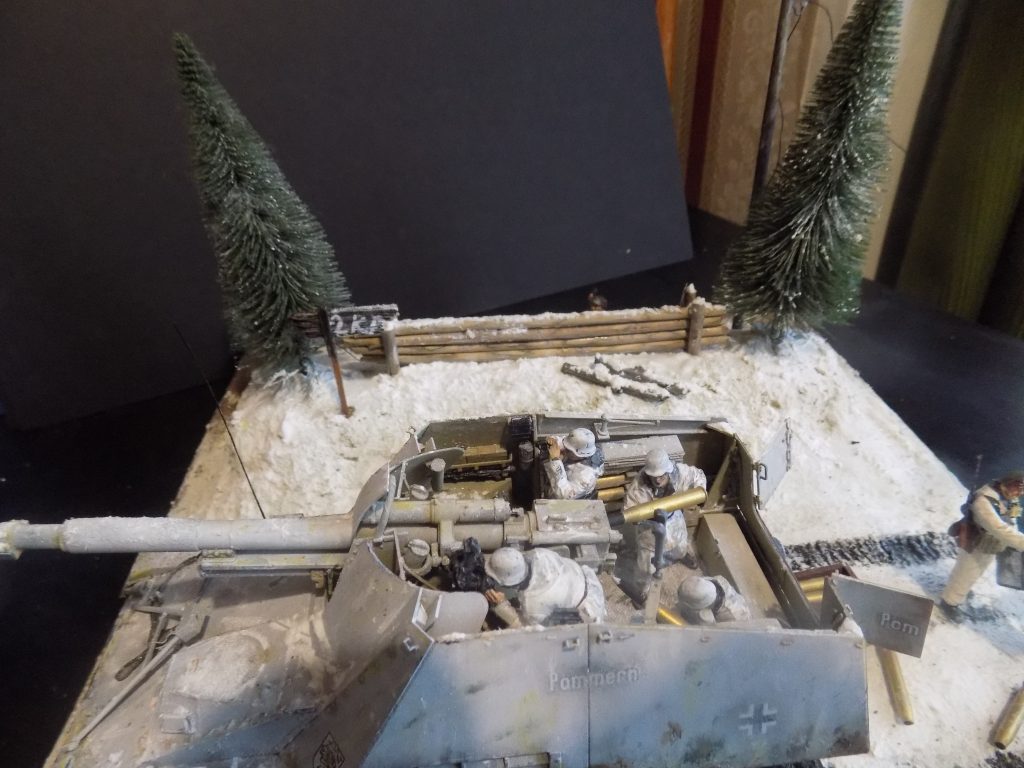
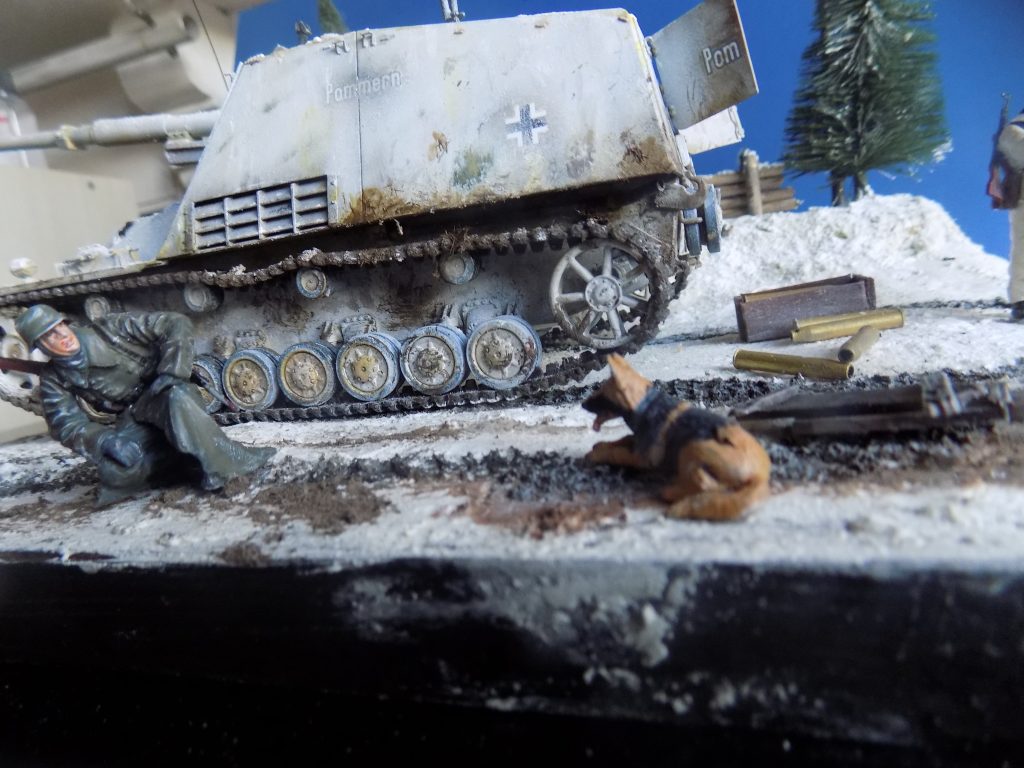
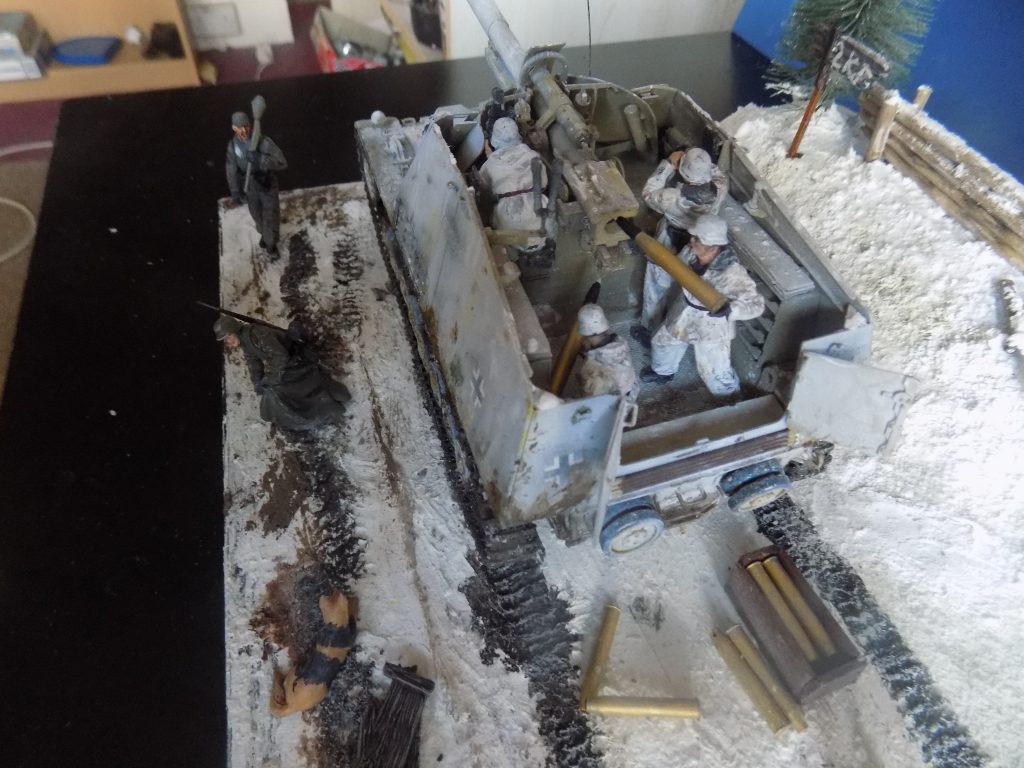
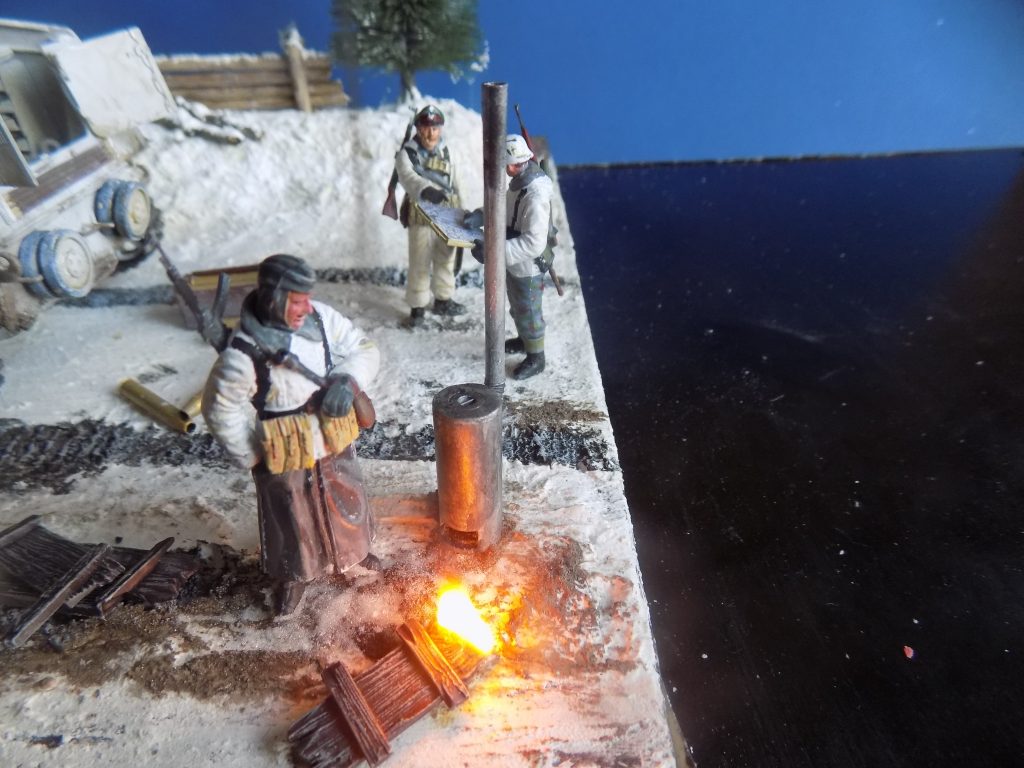
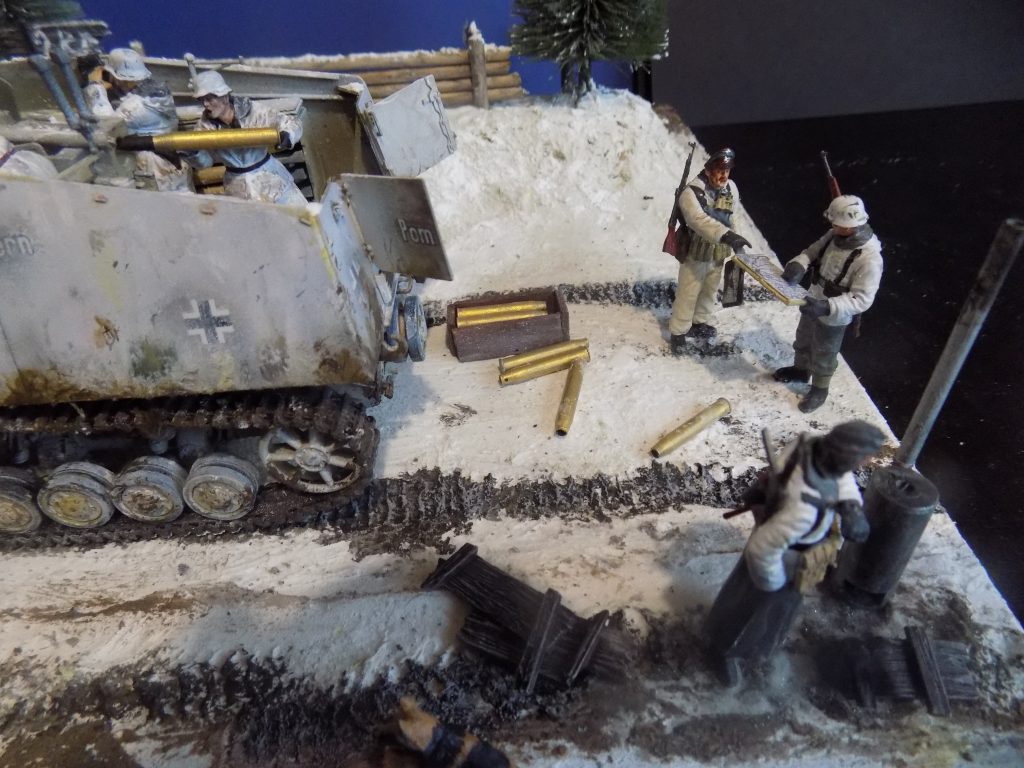
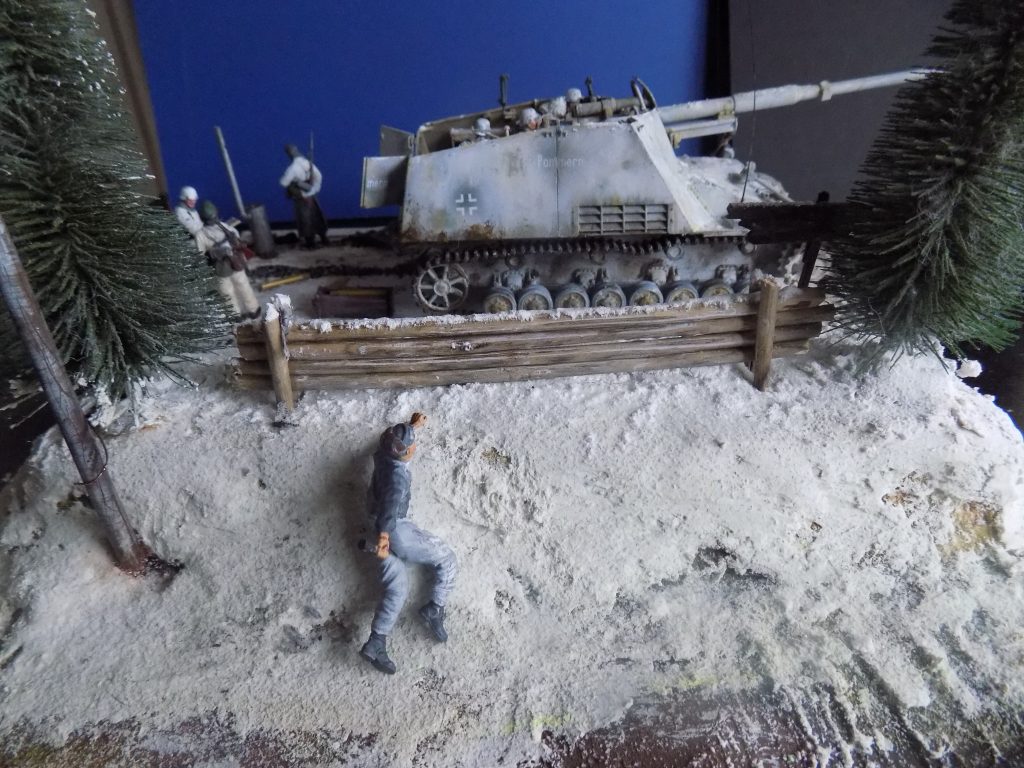
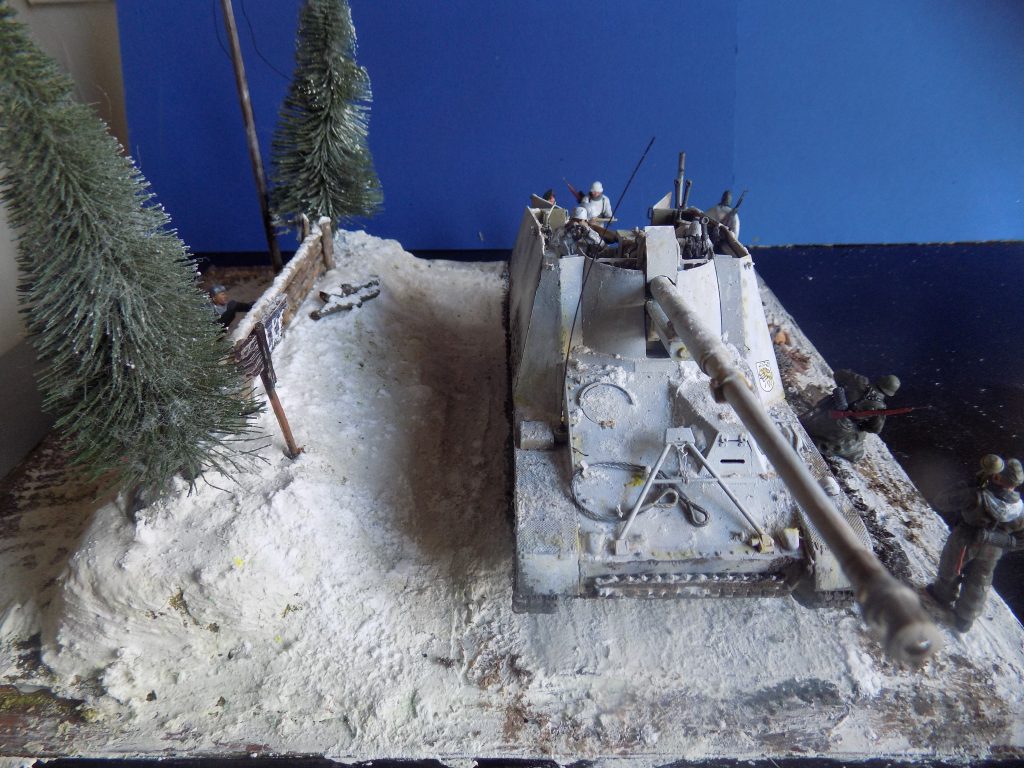
In action somewhere on the eastern front during the winter of 1944.
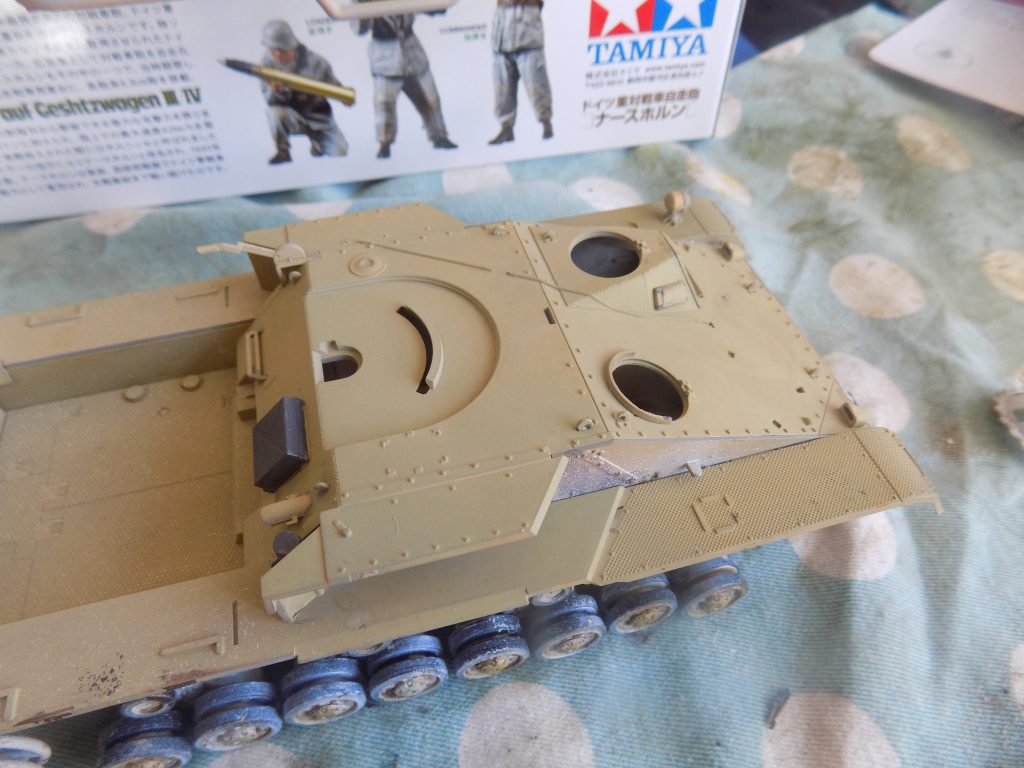
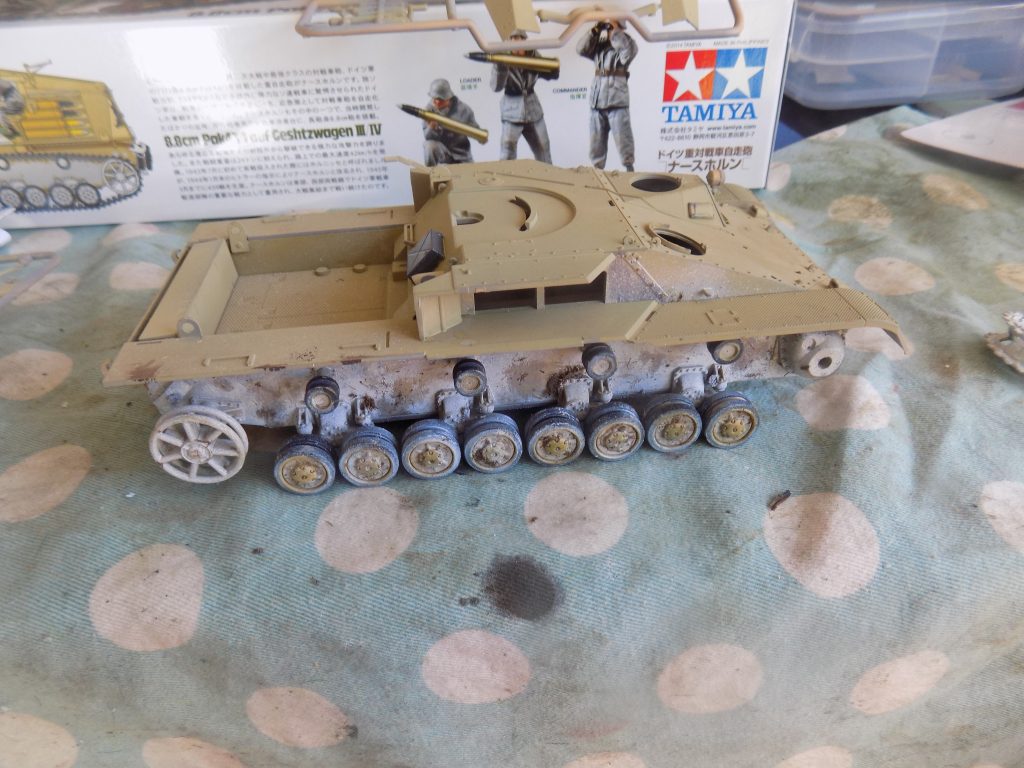
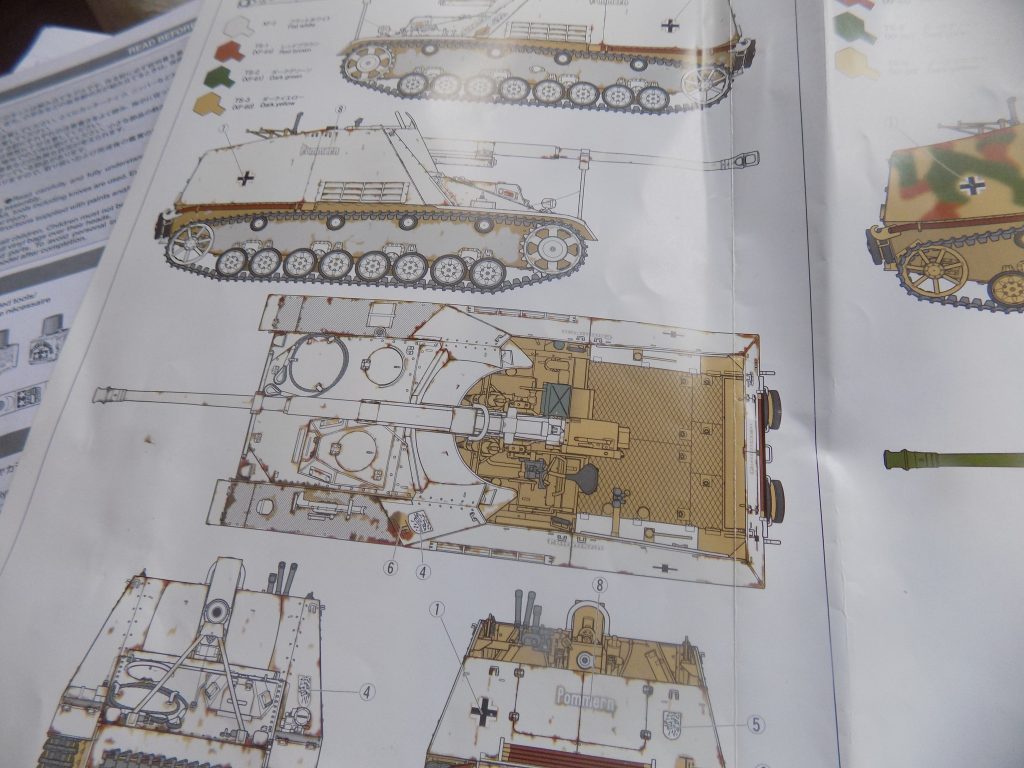
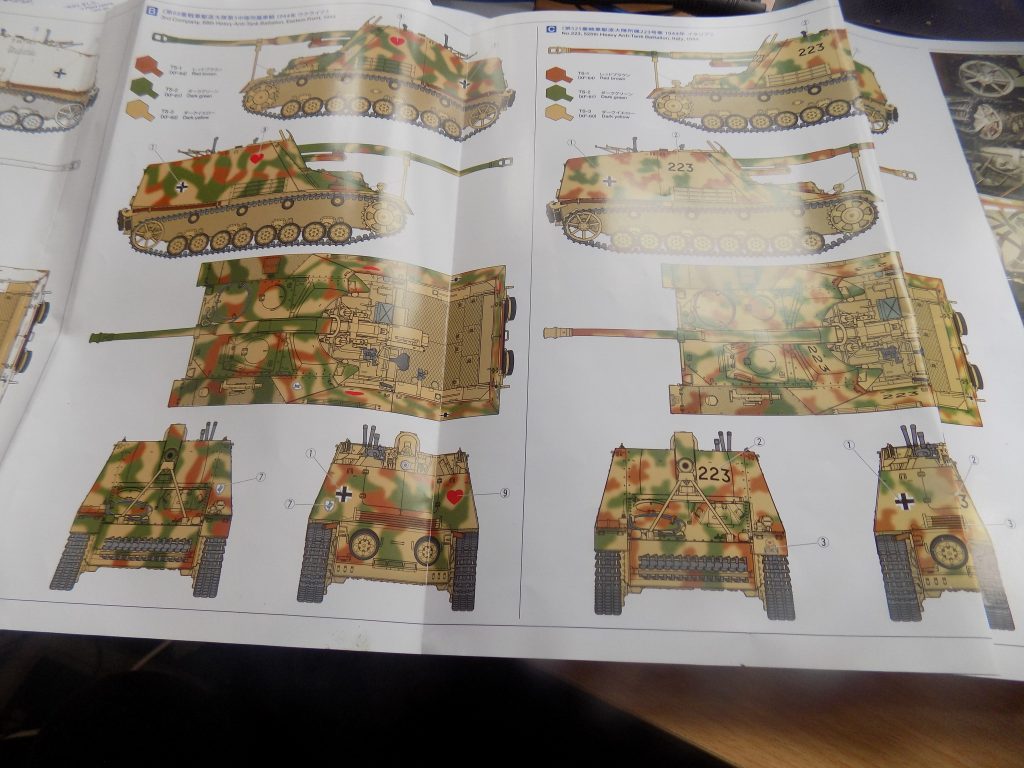
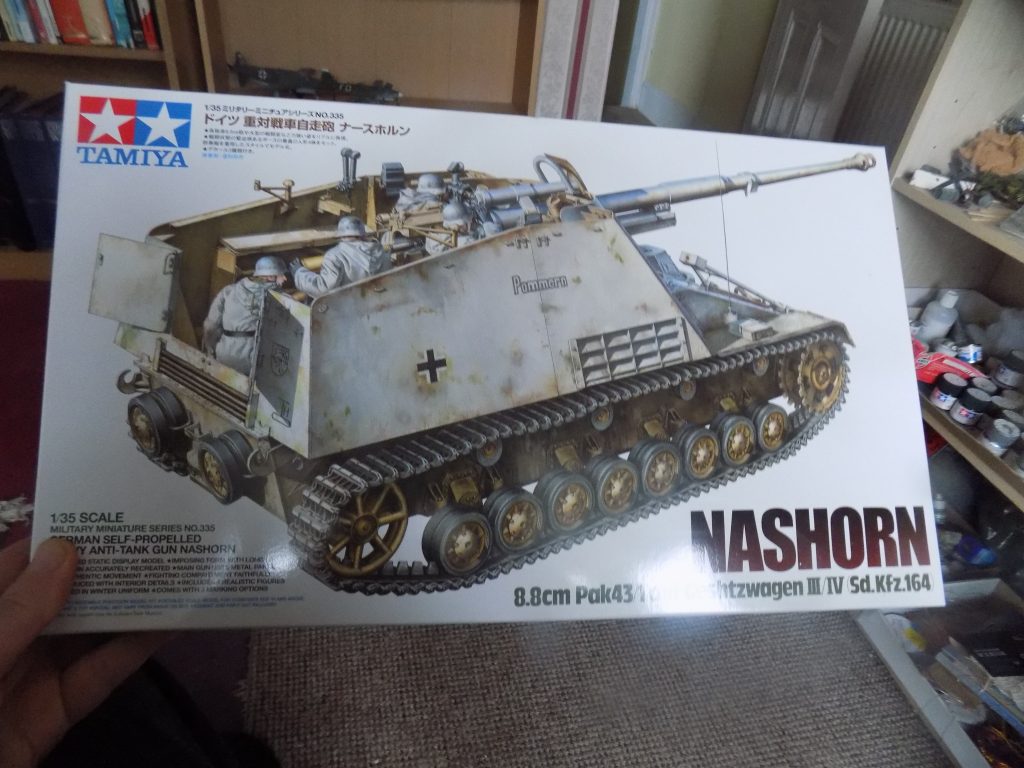
This was a great kit by Tamiya and one I had my eye on ever since it was released a few years back. It has lots of possibilities for a diorama and I chose a winter scene to match the winter white camouflage depicted on the box art.
Starting work on the hull which had lots of fine rivet detail.
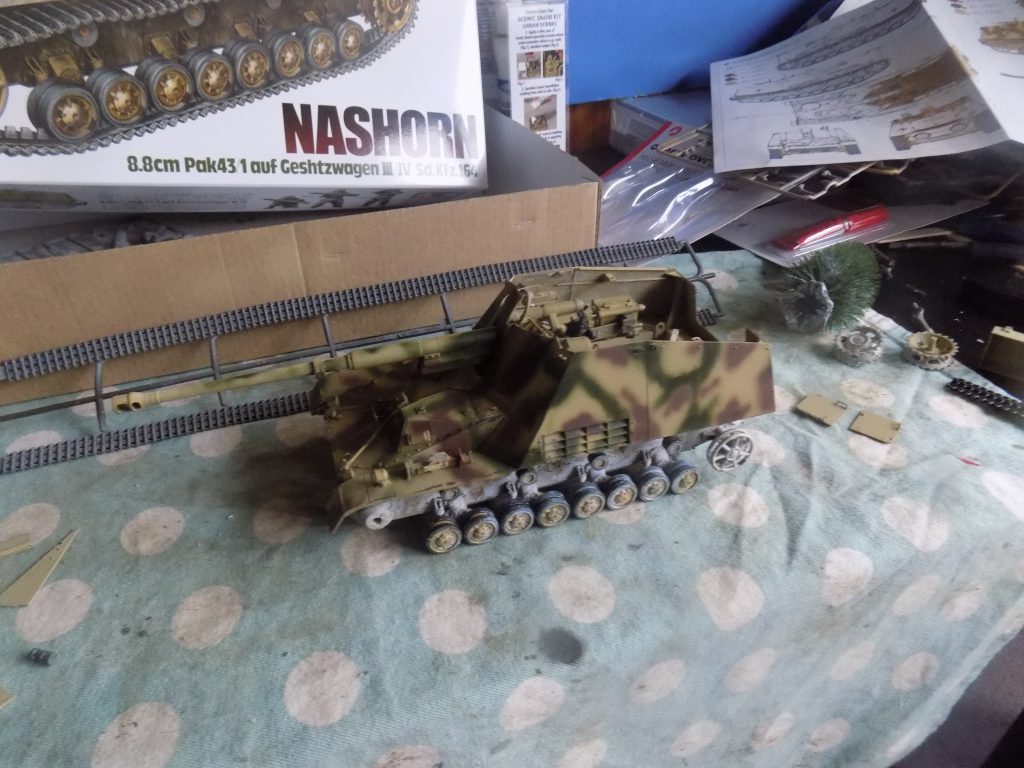
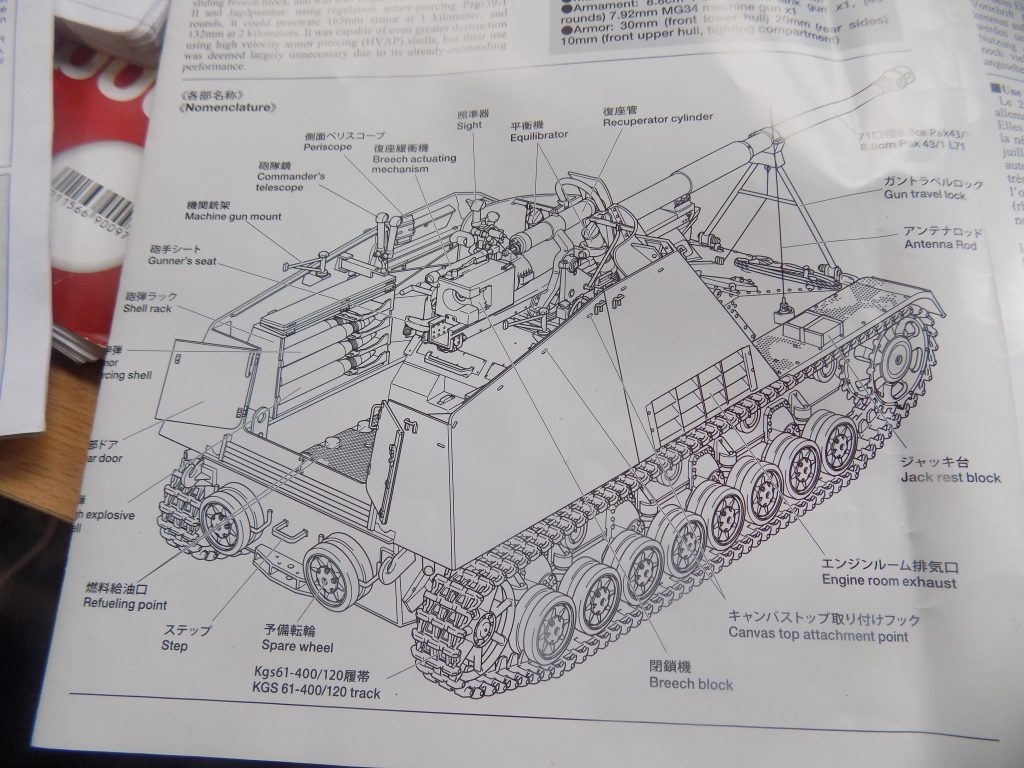
The Nashorn (‘Rhinoceros’) is equipped with 8.8cm Pak 43, a gun based on the successful anti-aircraft weapon and an awesome weapon it is too! For the chassis, it was decided to use the Panzer III/IV as time was short and a vehicle was needed urgently to counter the overpowering Soviet T-34 tank.
In October 1942, Hitler ordered the production of 100 examples by May 1943, in time to join the summer offensive at Kursk. In total, 439 Nashorns were built, ending in March 1945.
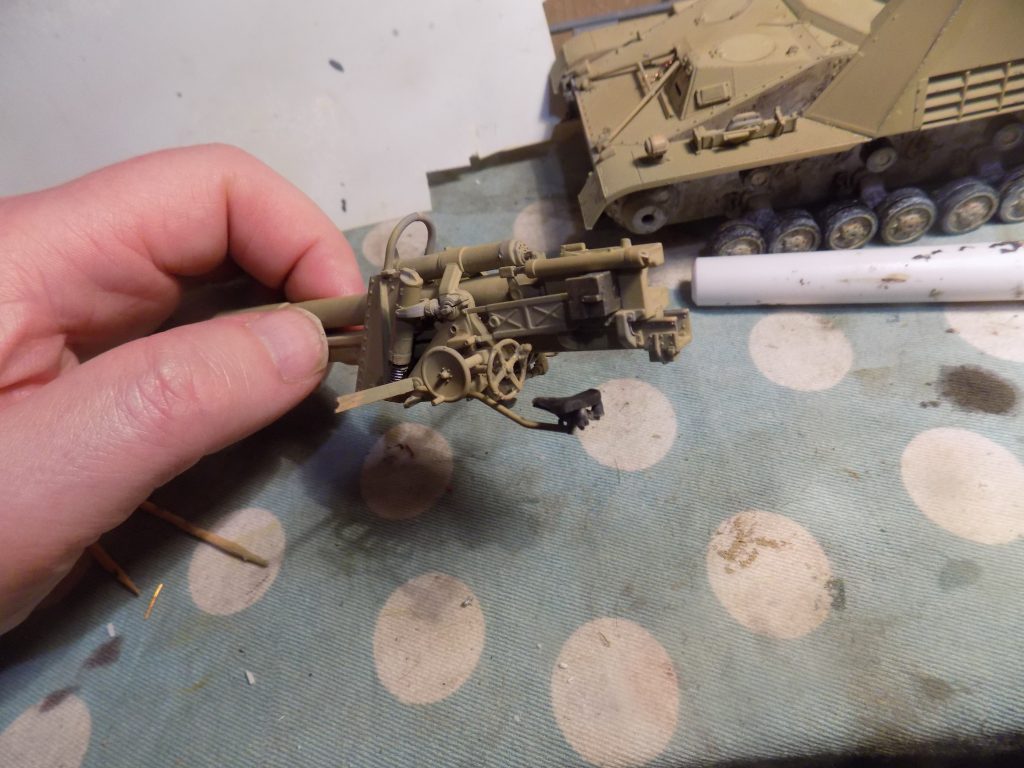
I painted the wheels and bottom of the hull before proceeding with the tracks. I left off the drive sprocket until attaching the tracks, which came as lengths of single piece rubber.The gun mechanism was quite complicated with lots of fine details. I managed to break one half of a traversing wheel shown here by the gunner’s seat but was able to repair it with a scratch build!I quickly airbrushed the usual deep yellow/red-brown/green camouflage knowing that most would be hidden by the winter whitewash. The unpainted tracks are visible behind the model.The Nashorn had a five man crew. The driver would have sat in front of the gun compartment. The figures really make the model come alive and are wonderfully animated. The winter white battle fatigues were reversible with a standard coloured pattern on the inside. The gunner is looking through his gun sight while the commander observes with binoculars. Note the periscope behind the gunner. I painted the shells with a mixture of gold and brass. The discarded spent shells needed the tops hollowing out but easy enough with a pin vise.Weathering the model was a lot of fun using various powders, pigments, washes and even oils. The external figures and dog came from the Tamiya briefing set. The German shepherd is a nice touch. Dogs were used for scouting and warning of the enemy at the front, just as they are today in the Ukraine conflict in the Donbass! Note the slight sag on the tracks to make them look more realistic. Achieved with a touch of the indispensable superglue!Note the soldier carrying a Panzerfaust, a type of early RPG, which dates the scene late in the war.Mmm Meine Uhr funktioniert nicht mehr-billiger Sowjetschrott! ‘Mty watch has stopped-cheap Soviet rubbish’!‘Those fascists are in for a shock!’ A Soviet soldier is creeping up to lob a grenade. Actually he is a Soviet mountain soldier from the Zvezda set but the only one I could find in a suitable pose!Beautiful box art. As with most Tamiya kits, you get a beautifully engineered, flaw free fitting, quality plastic model.
According to Tamiya:
‘The Nashorn quickly proved its value in live combat, causing havoc among Russian tanks in its maiden deployment, as part of the 560th which provided cover for the flanks of the 4th Panzer Army in the 1943 German assault on Kursk. It is also said that in action with the 525th in the Battle of Monte Cassino, January 1944, a Nashorn destroyed an M4 Sherman from a range of 2,800 metres’ (!).
From December 1943 to March 1944, Commander of the 1st Platoon of the 1st Company, Lt. Albert Ernst, destroyed some 65 enemy tanks in the Vitebesk area of Belarus for which he was awarded the Knight’s Cross.
Overall, the Nashorn was a very effective weapon and if it had been introduced into mass production earlier in the war it might have had a decisive effect.
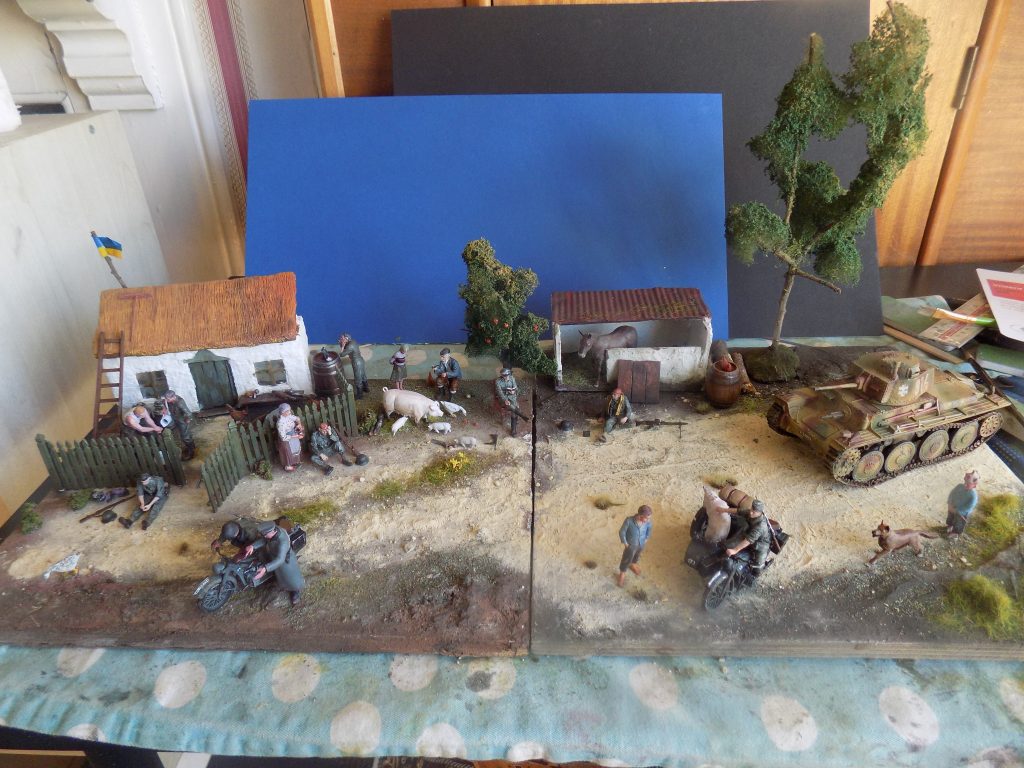
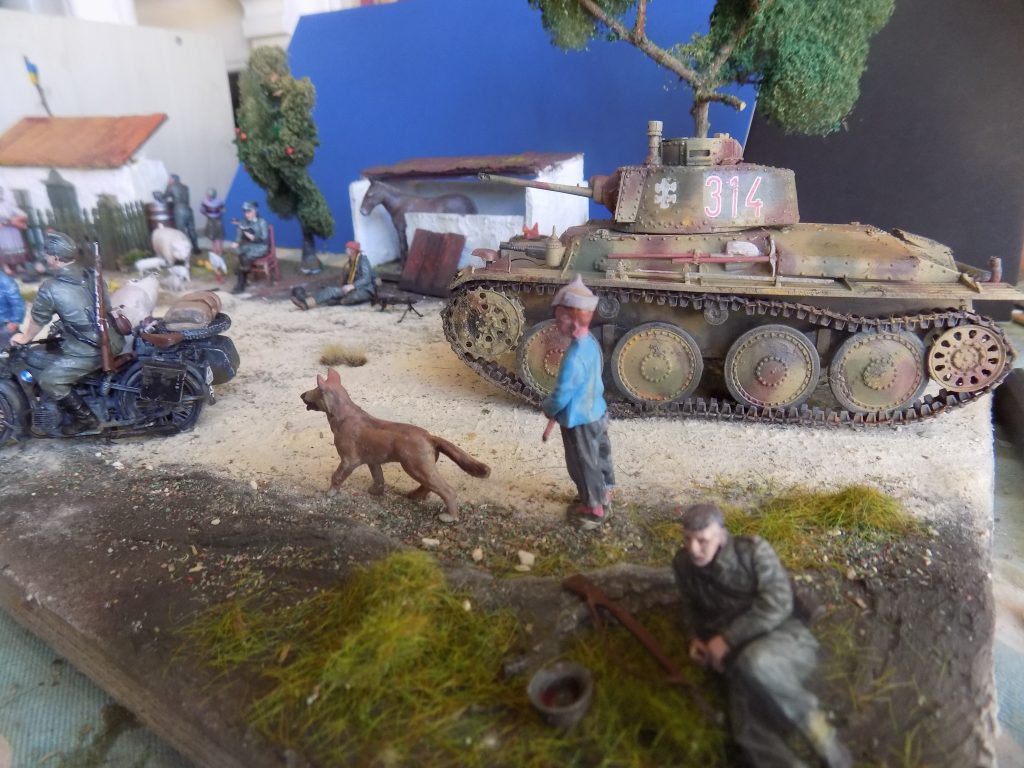
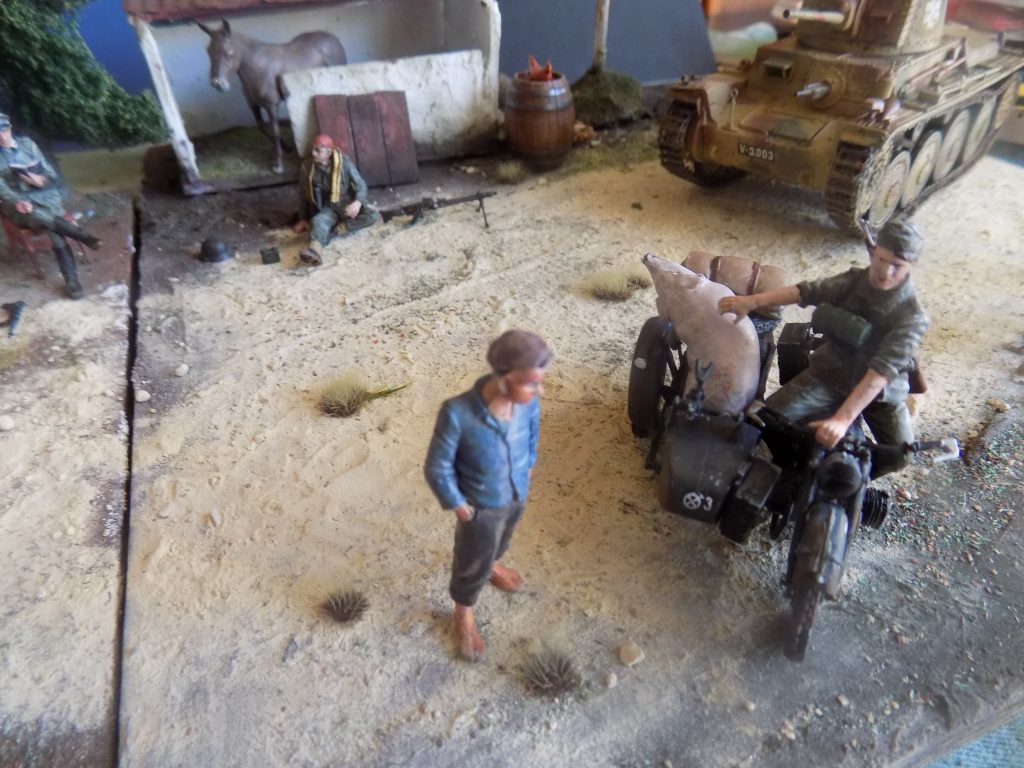
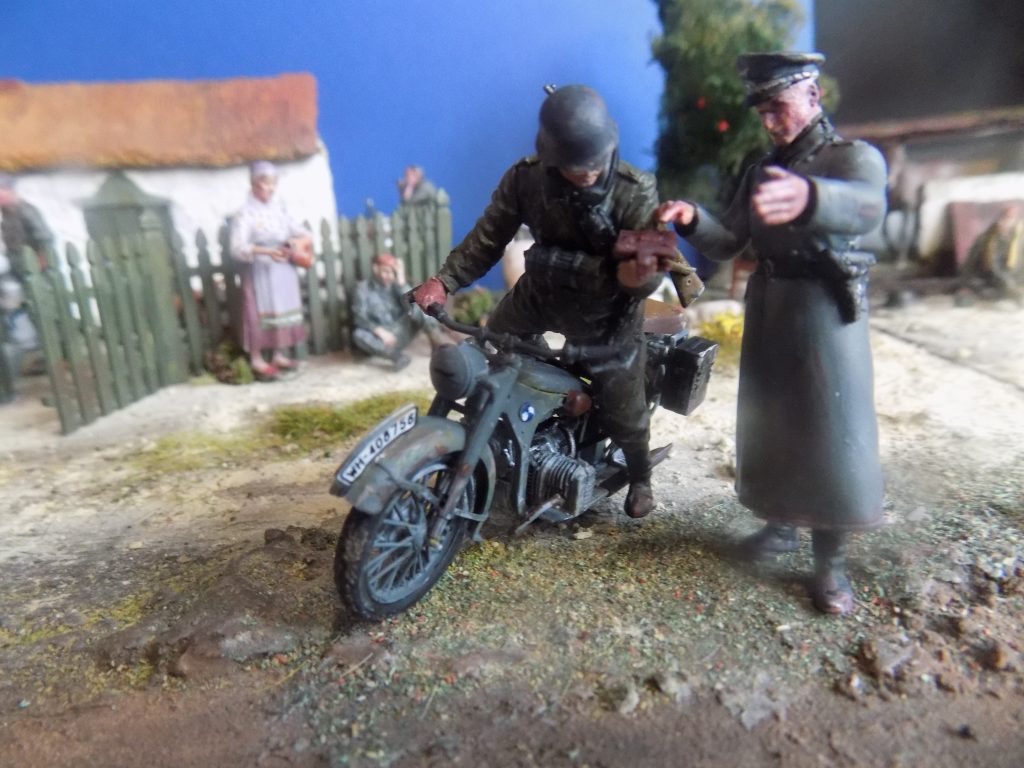
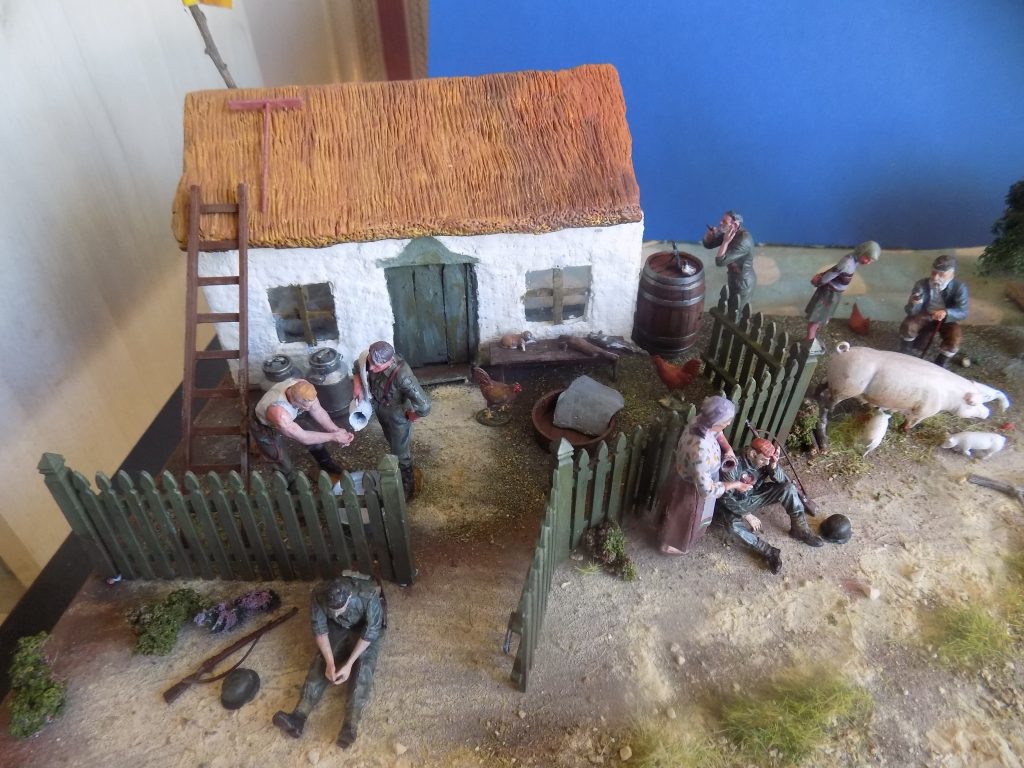
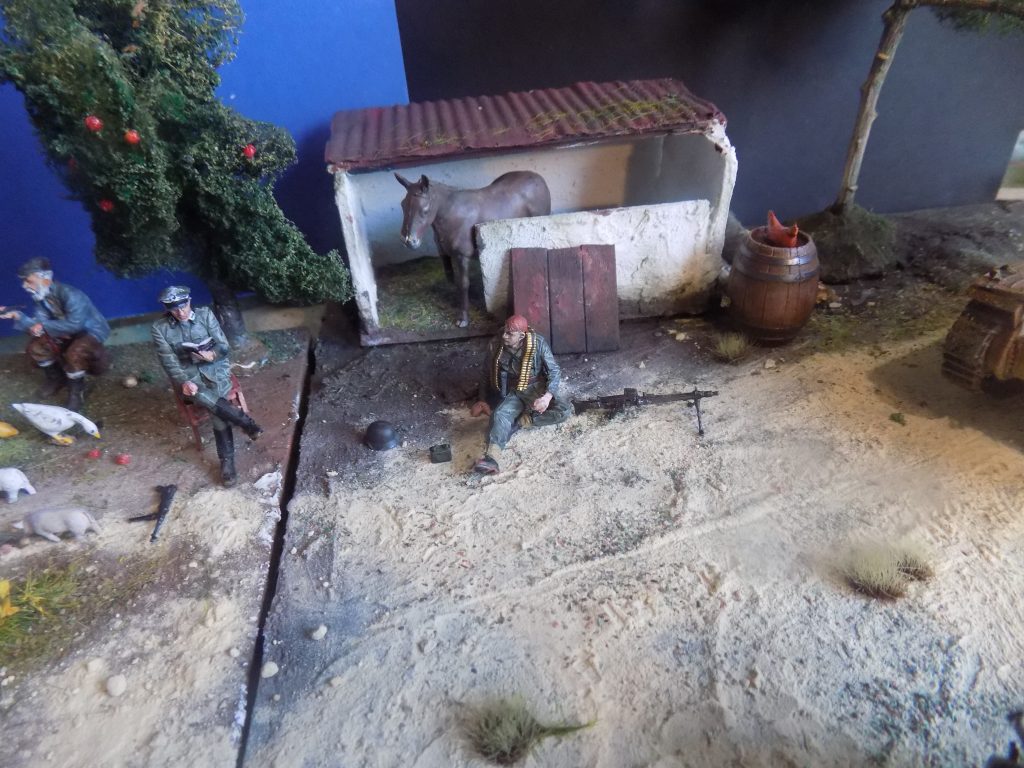
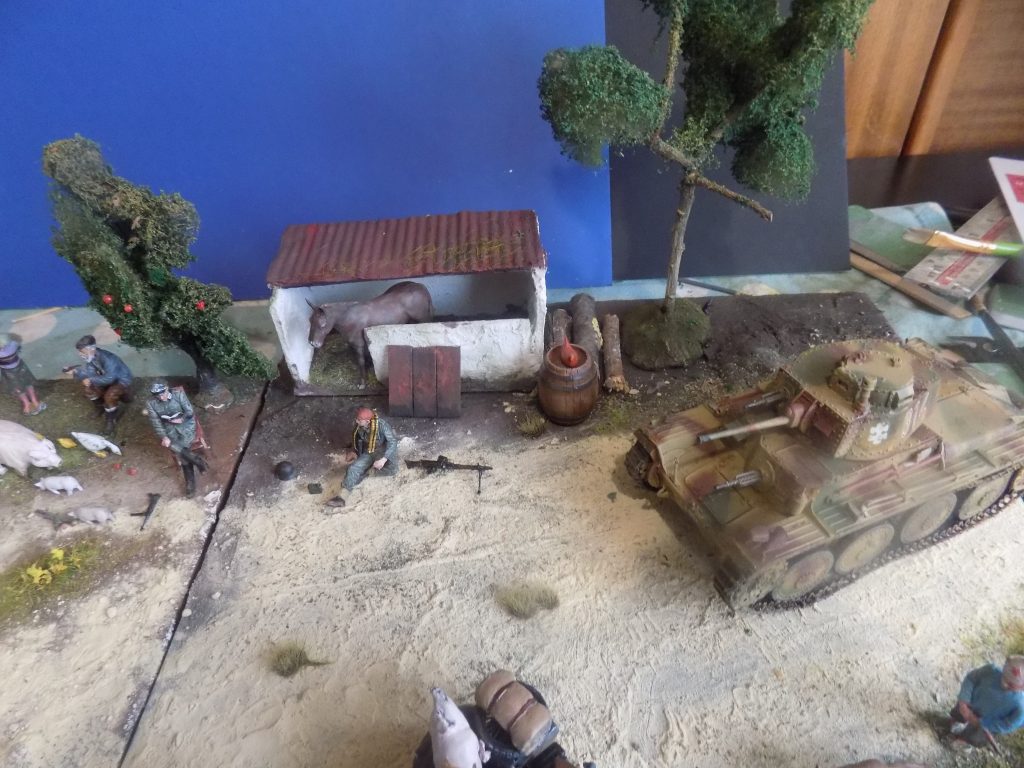
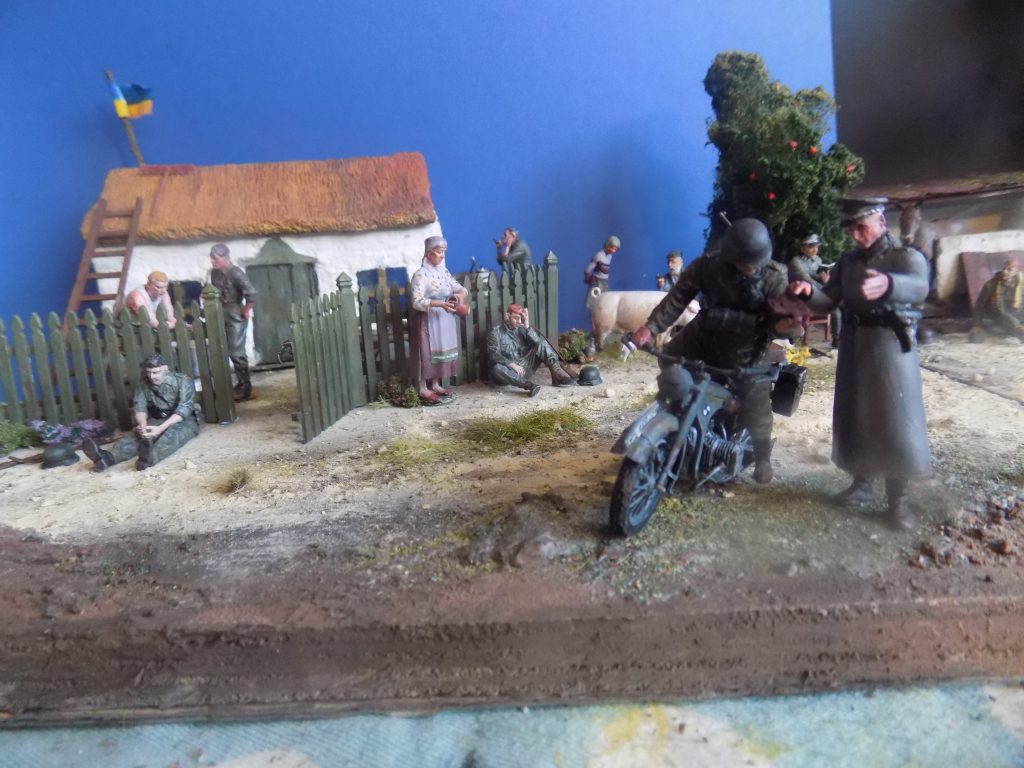
The title of this diorama means ‘German soldiers of the Wehrmacht are having a rest during the opening phase of Operation Barbarossa in Western Ukraine June 1941’. The tank is part of the Slovak Expeditionary Group.
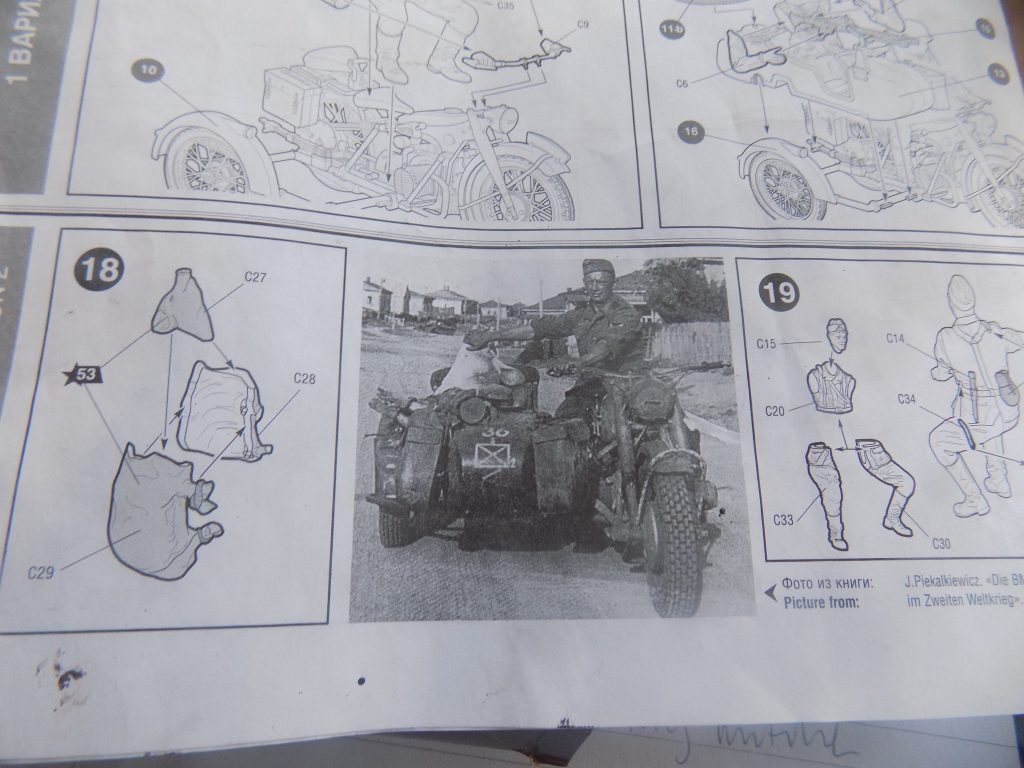
The tank is by Hobby Boss. It is part of 1 Platoon, 3 Company Mobile Group, Slovakia 1941Der Schweinehund hat mein Schwein gestohlen! This model is based on a real incident. Das ist der Weg nach Kiew, Dummkopf! Both motorbikes are by Zvezda (Russia) and are BMW R-12s. Between 1935-1942, over 36,000 were manufactured for civilian and military use. It was the standard sidecar motorcycle for the German Army and used for supply of food, ammunition, reconnaissance, ambulance and many other purposes. They were also used for combat with an MG on the sidecar. Ich bin erschöpft! Or roughly translated, ‘ I’m knackered!’Oh nein, er liest dieses verdammte Buch nicht wieder! Not reading that damned book again! Actually, it’s a good read but what is it? The sitting soldier is armed with the famous MG 34, 800-900 rounds per minute! Machine gun of choice for the Axis at that time.
Now for the competition! The person who answers all the following questions correctly gets 50p plus a FREE biography of Adolf Hitler!!
QUESTIONS:
What book is the officer in the diorama reading? Choose from one of the following: a) Vom Kriege b) Der Untergang des Abendlandes c) Geschichte der Kriegskunst im Rahmen der politischen Geschichte.
2. Which of these European Great Powers had the most aircraft in August, 1914: a) Russia b) Germany c) France d) UK?
3. Which branch of the military is sometimes referred to as the ‘learned arm’?
4. In the First World War, air raid warning systems were extremely primitive. What kind of people did the British sometimes use to warn of the Zeppelin raids?
5. In 1914, which European Great Power had the largest aviation industry?
6. How many helicopters did the US lose during the Vietnam conflict? Choose one of the following: a) 5,000 b) 4,000 c) 3,000
7. Which group of foreign soldiers taken prisoner and serving in the Tsarist Army in the FWW attempted to save the Tsar and his family during the ensuing Civil War but failed?
8. How long could a German U-boat stay submerged in the FWW? Choose one of the following: 1) 3 hours 2) 8 hours 3) 5 hours 4) 2 hours
9. During the Vietnam war, what type of weapon did the Americans nickname the ‘Blooper’?
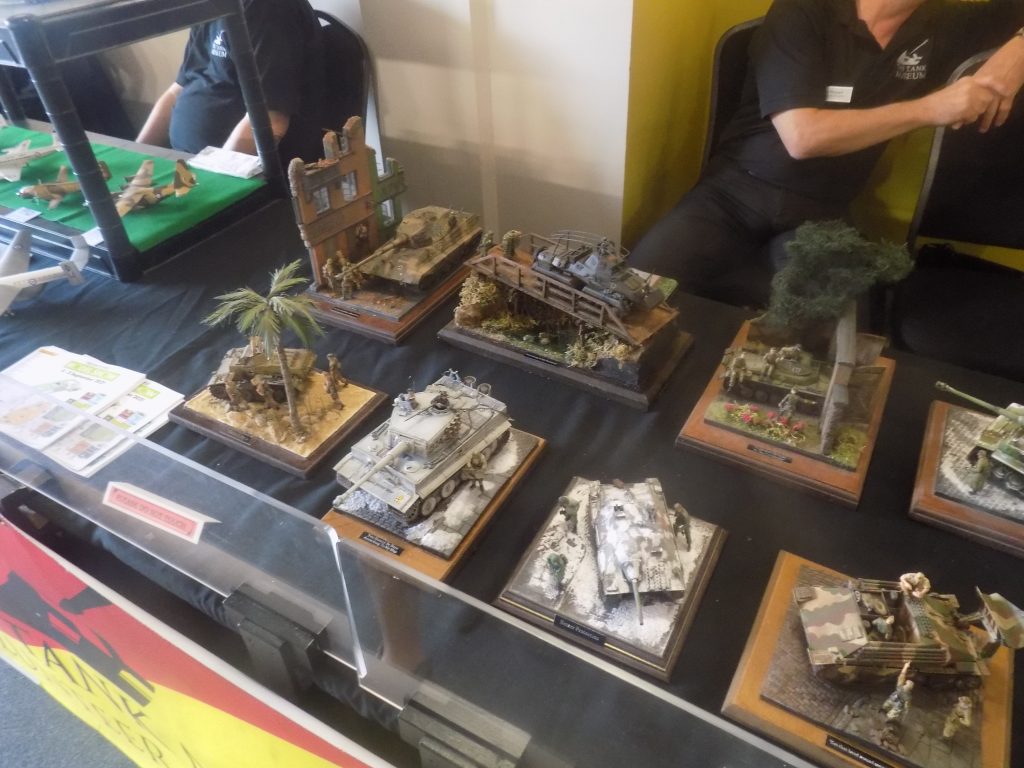
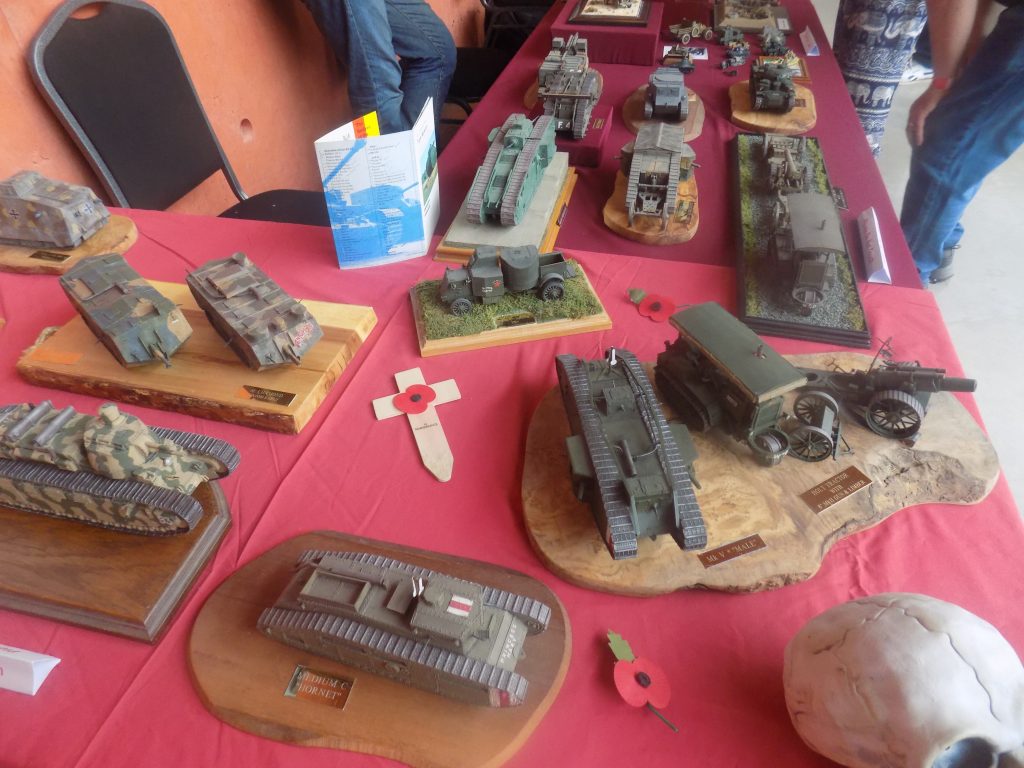
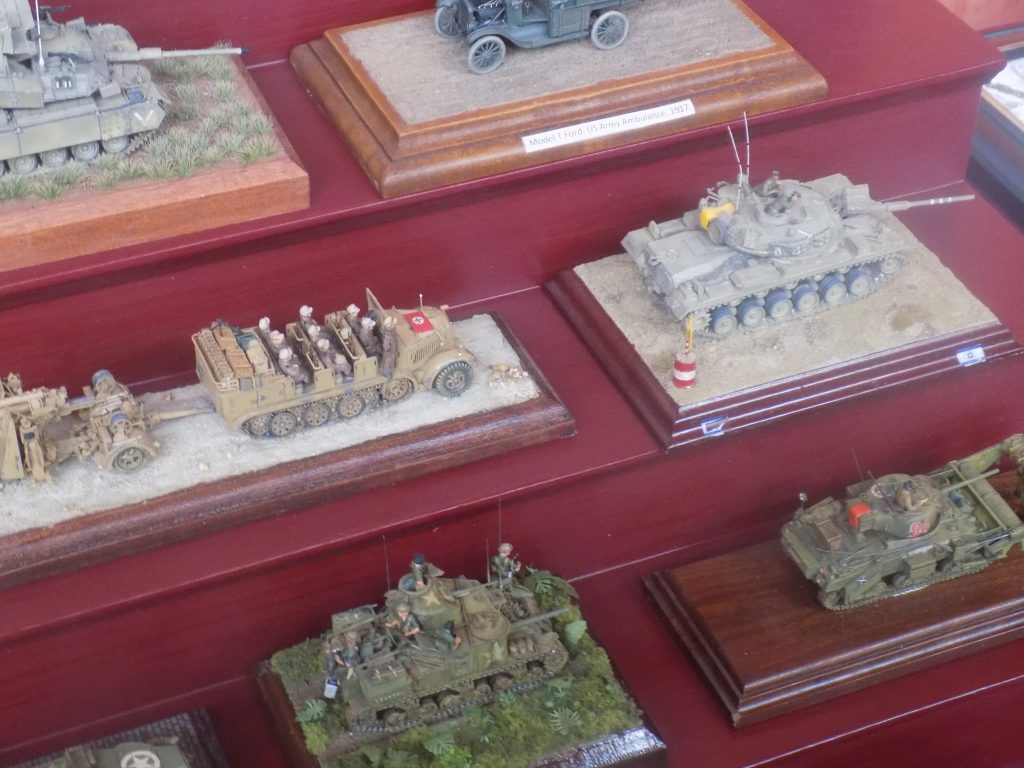
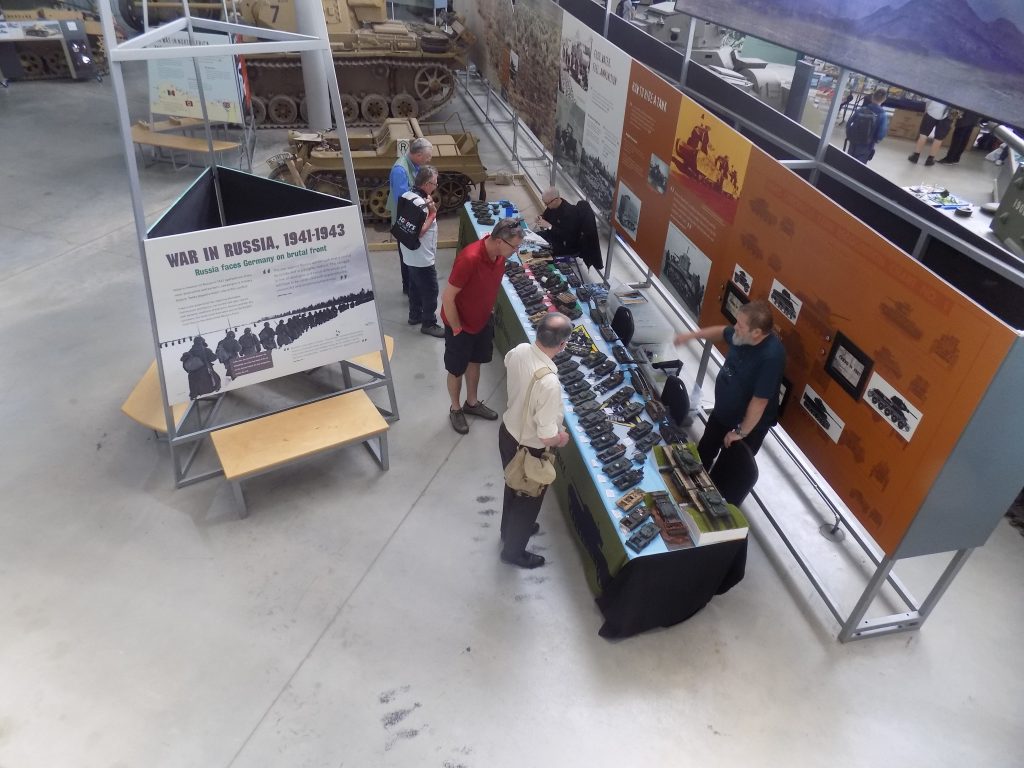
A fraction of the models on display at the show. The standard was amazing and puts some of my dioramas to shame! Never mind, it was an inspiring experience and great tonic to be among the modelling fraternity.
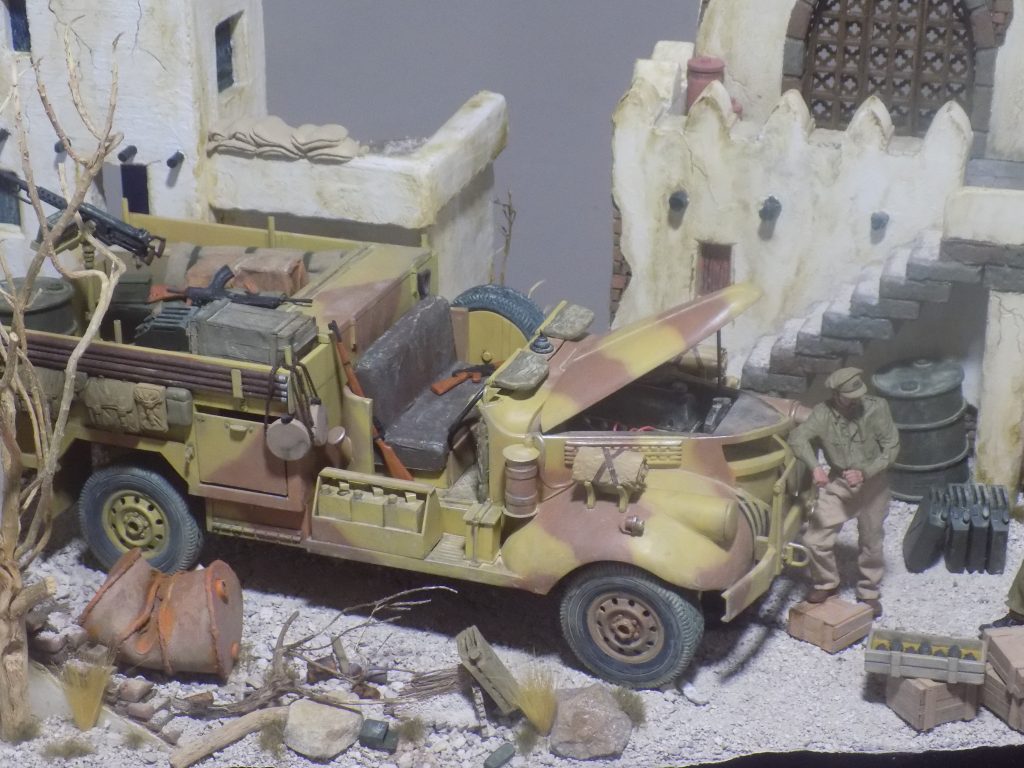
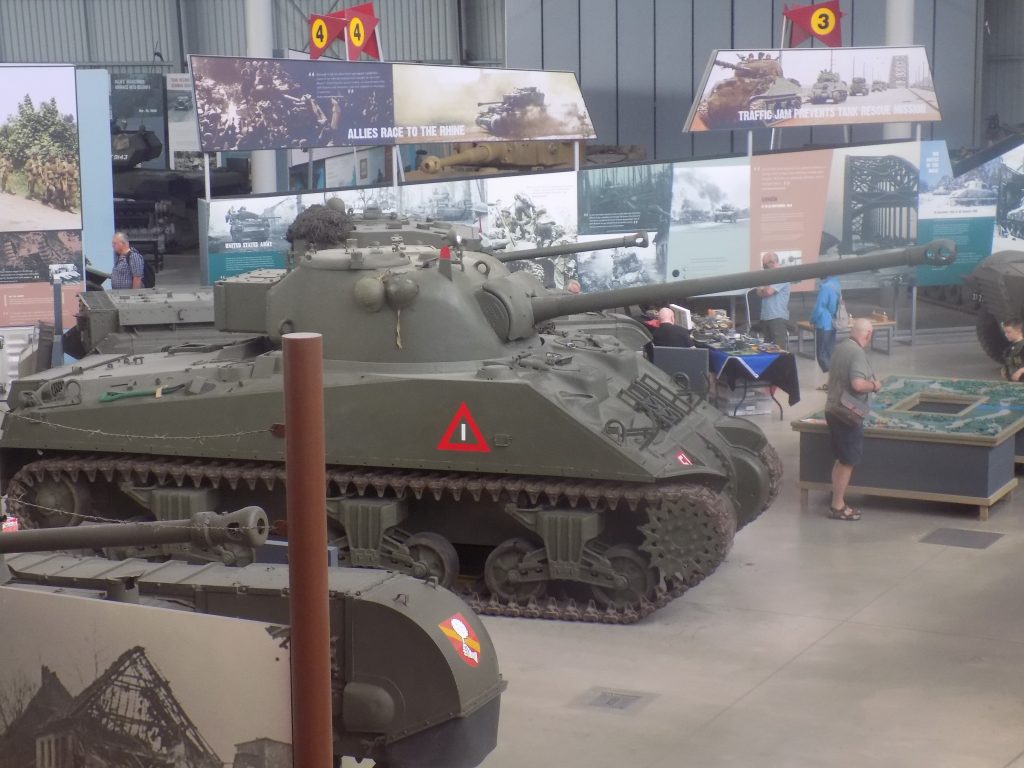
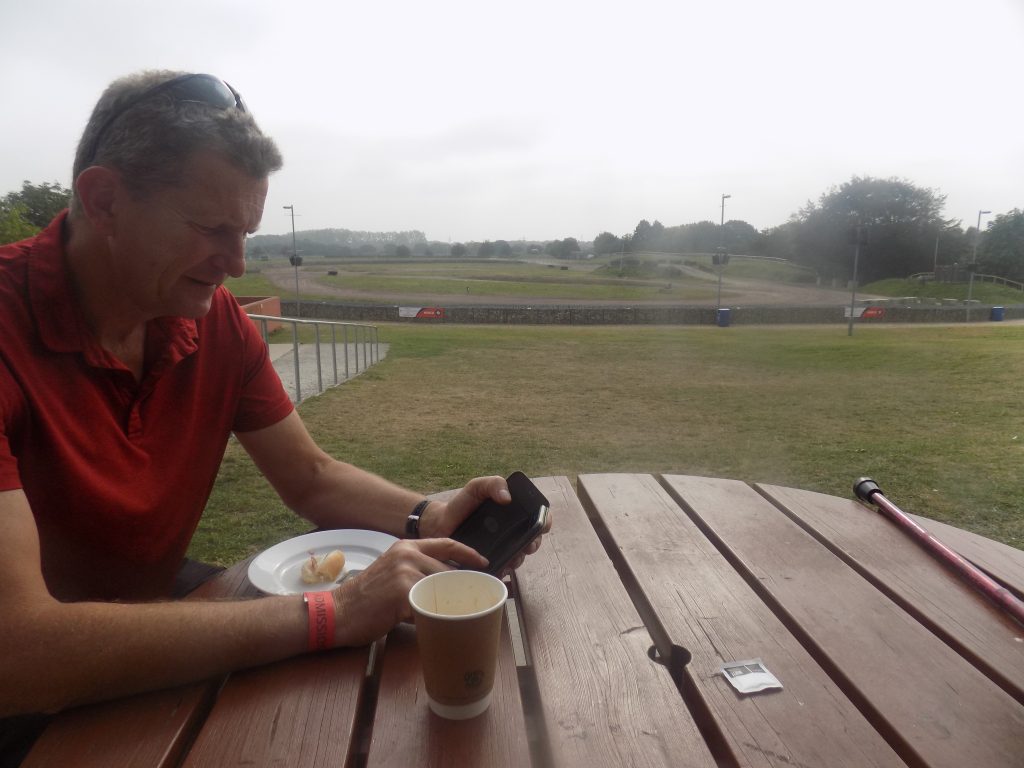
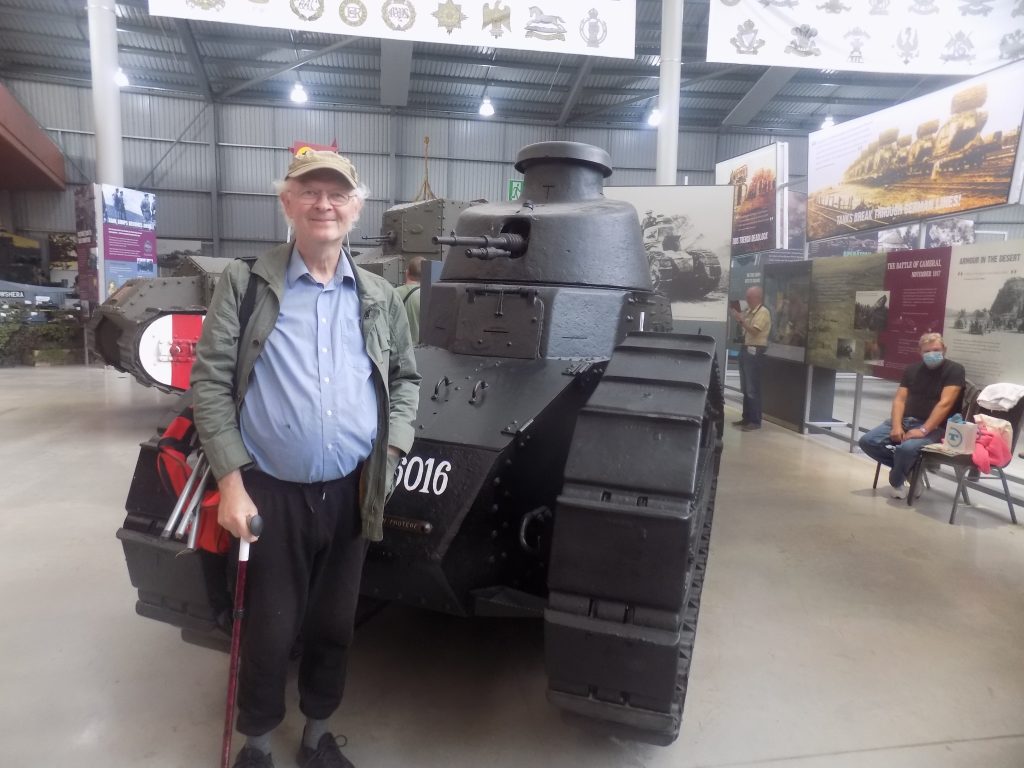
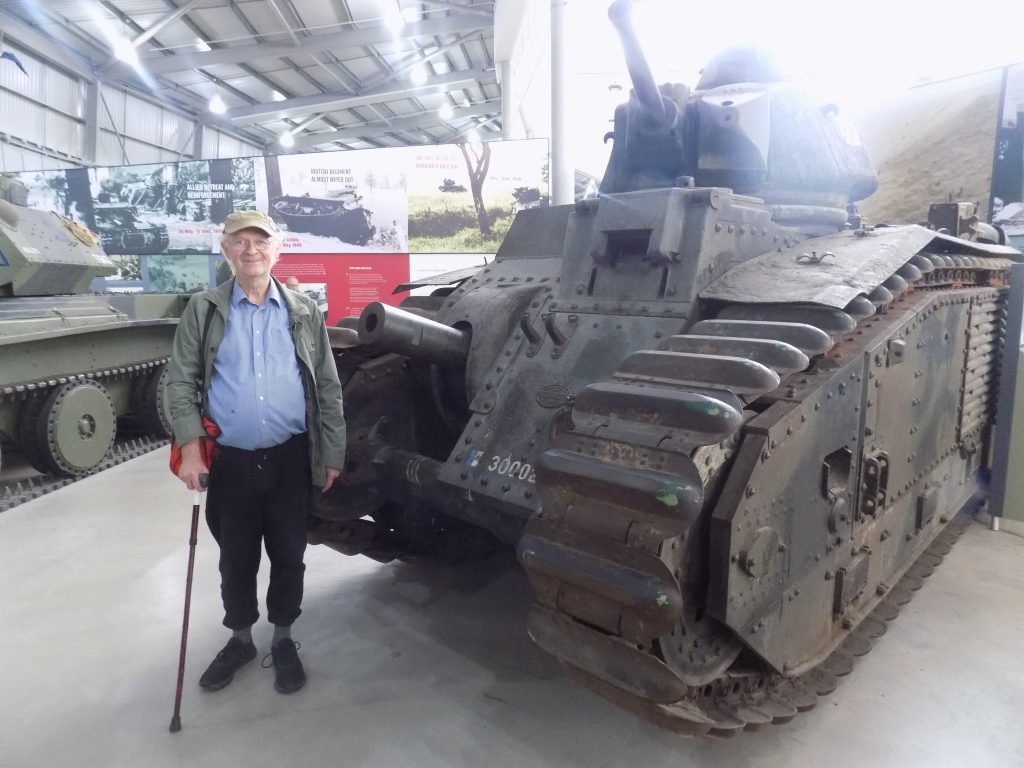
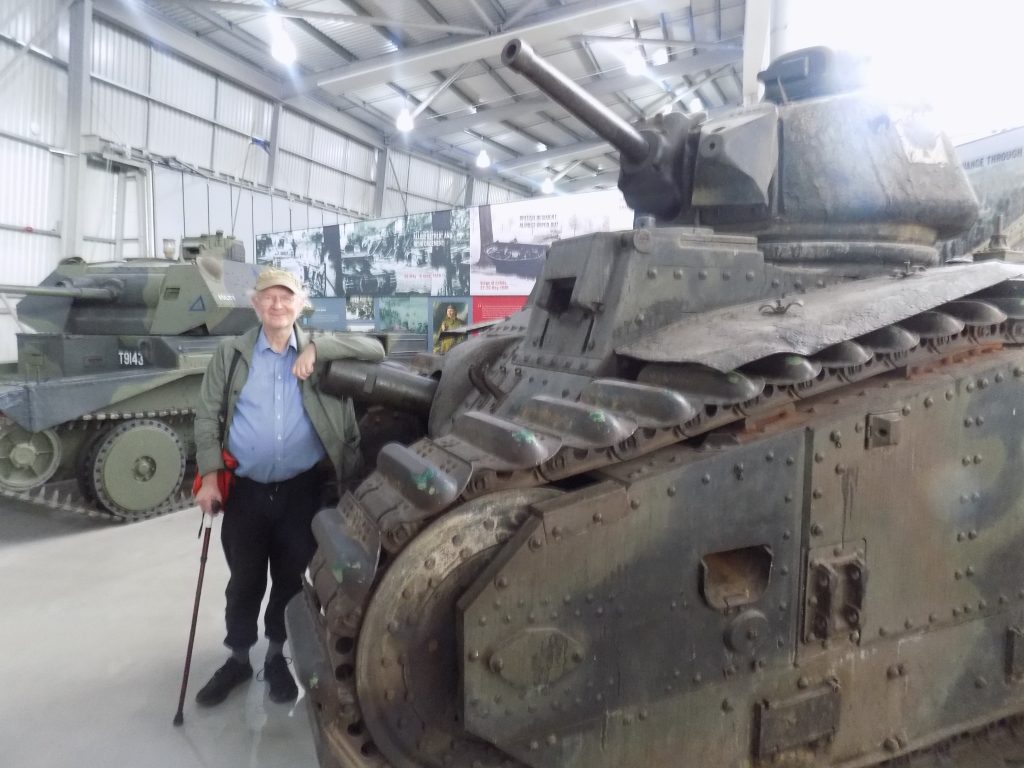
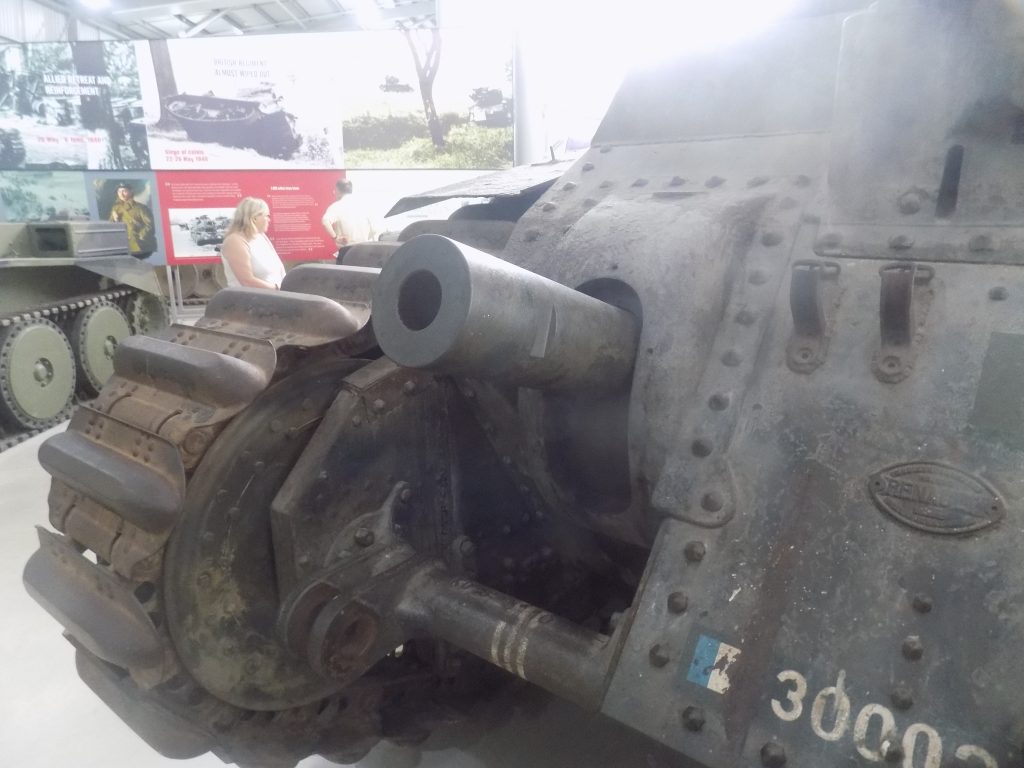
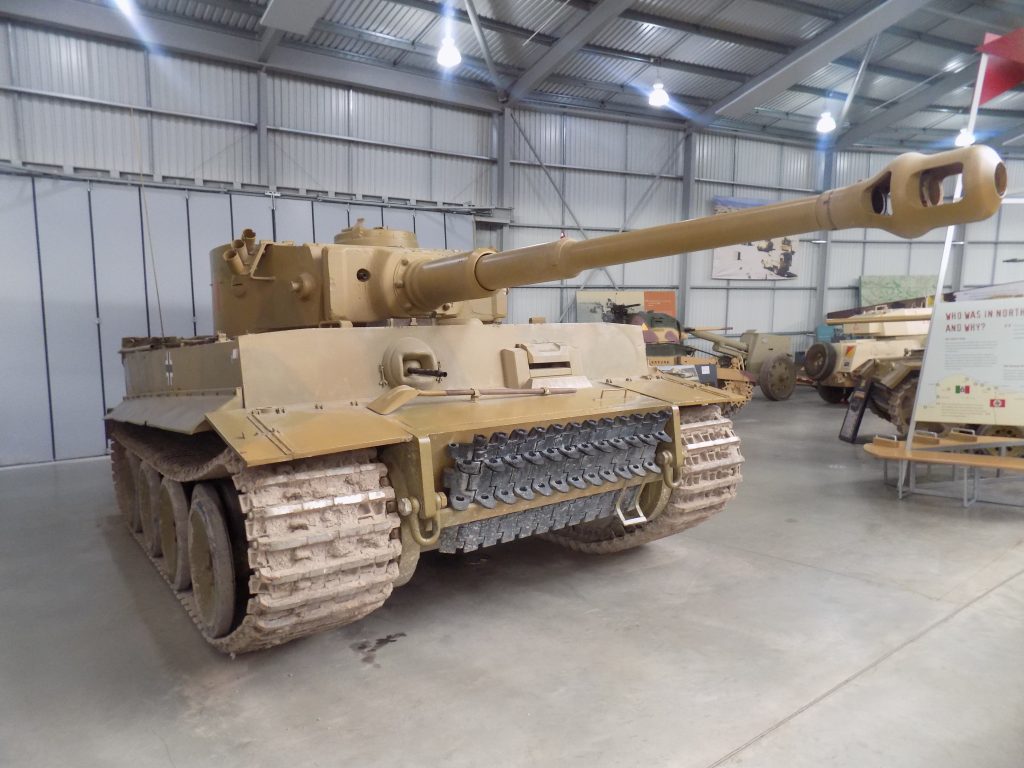
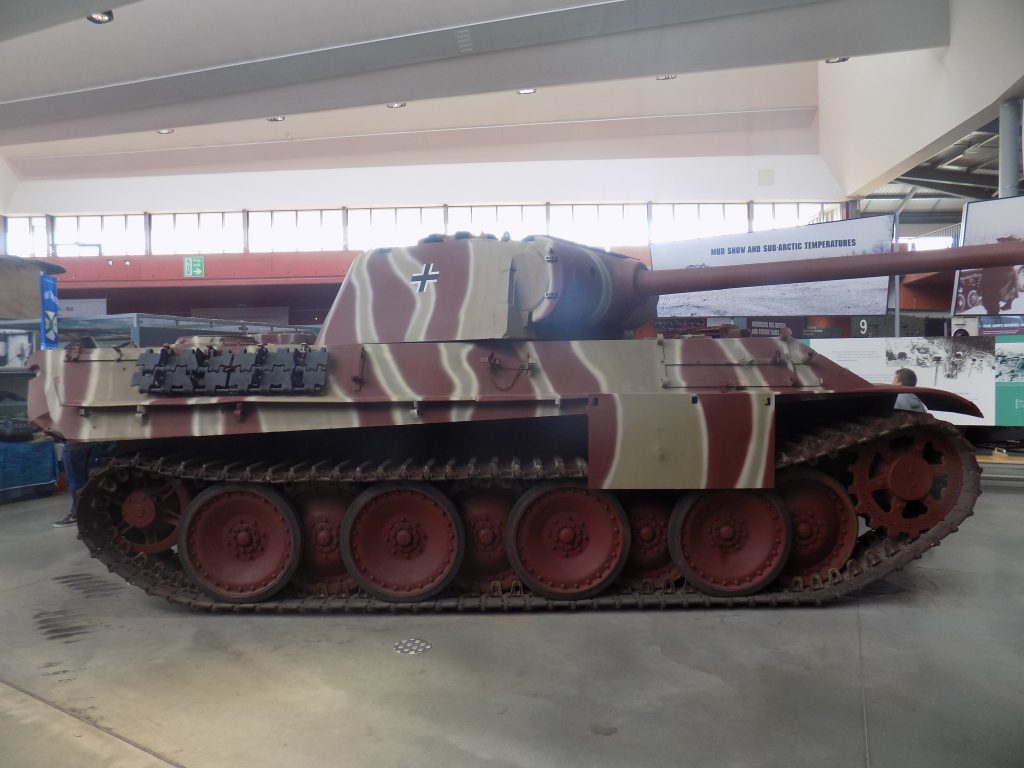
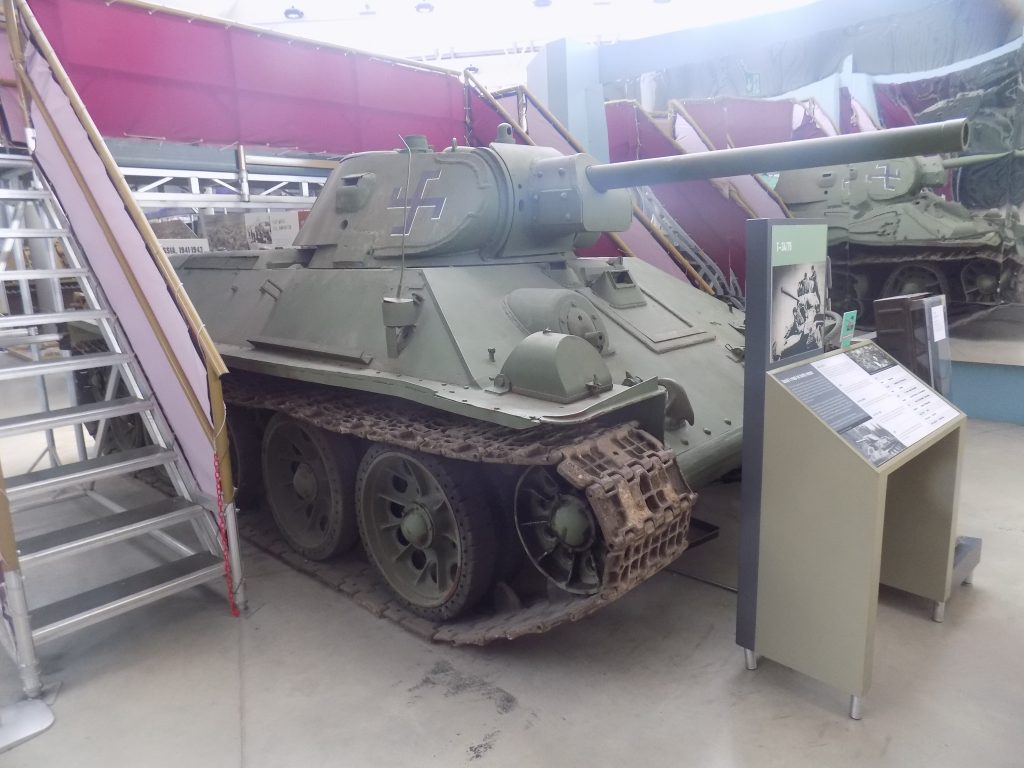
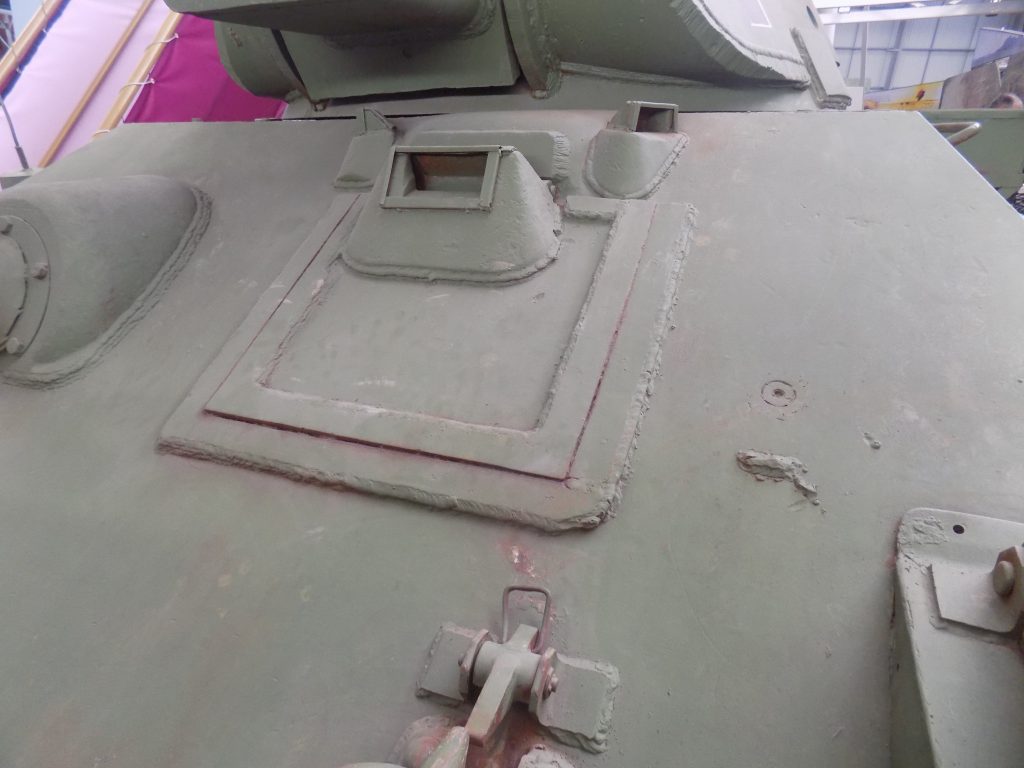
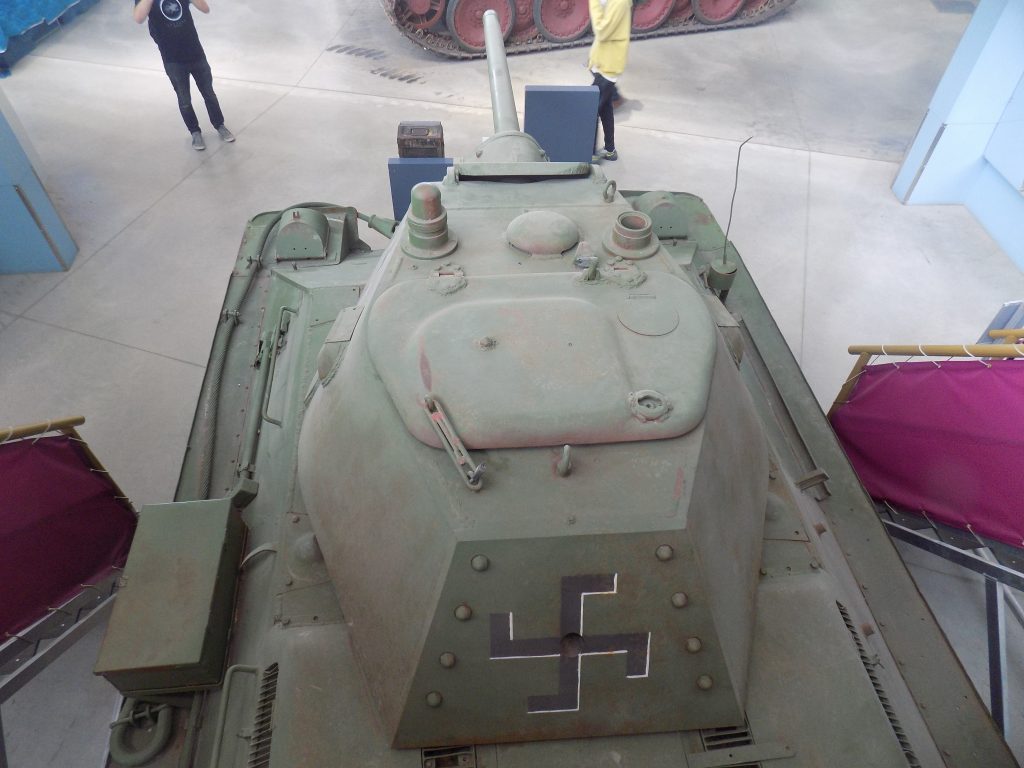
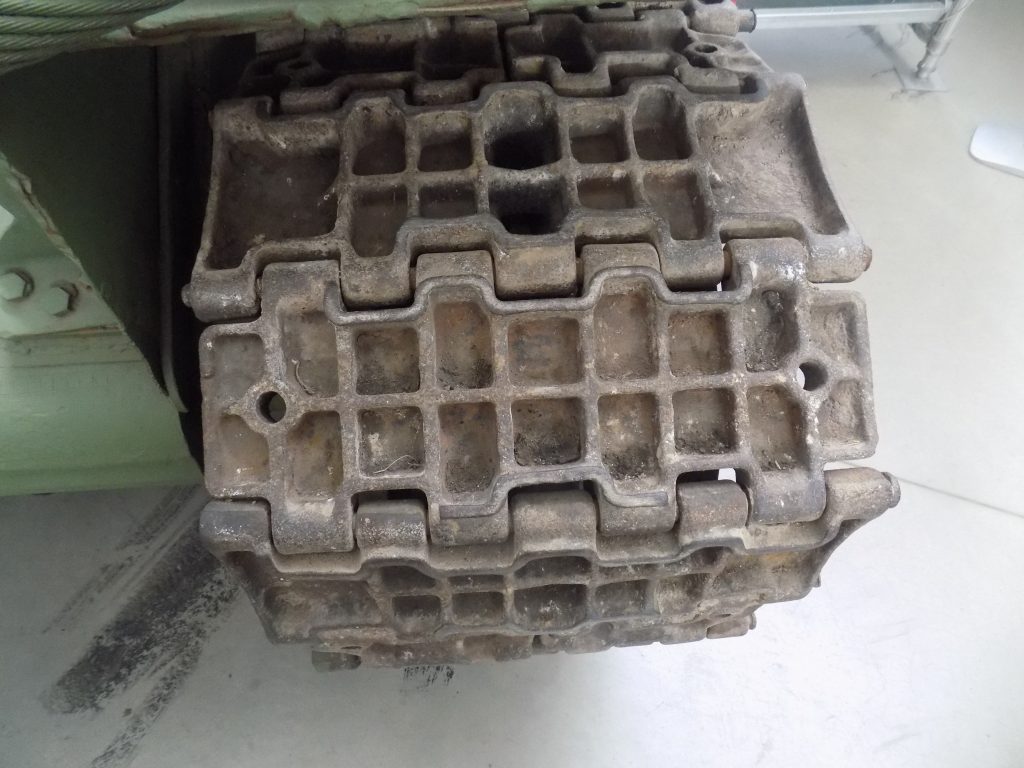
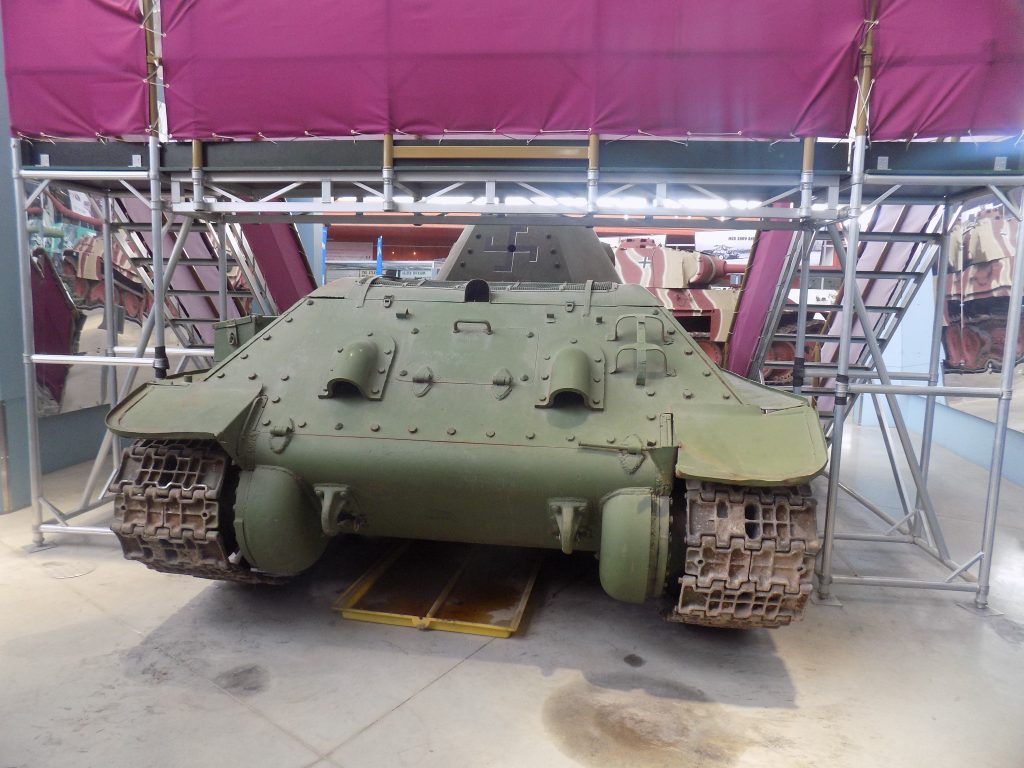
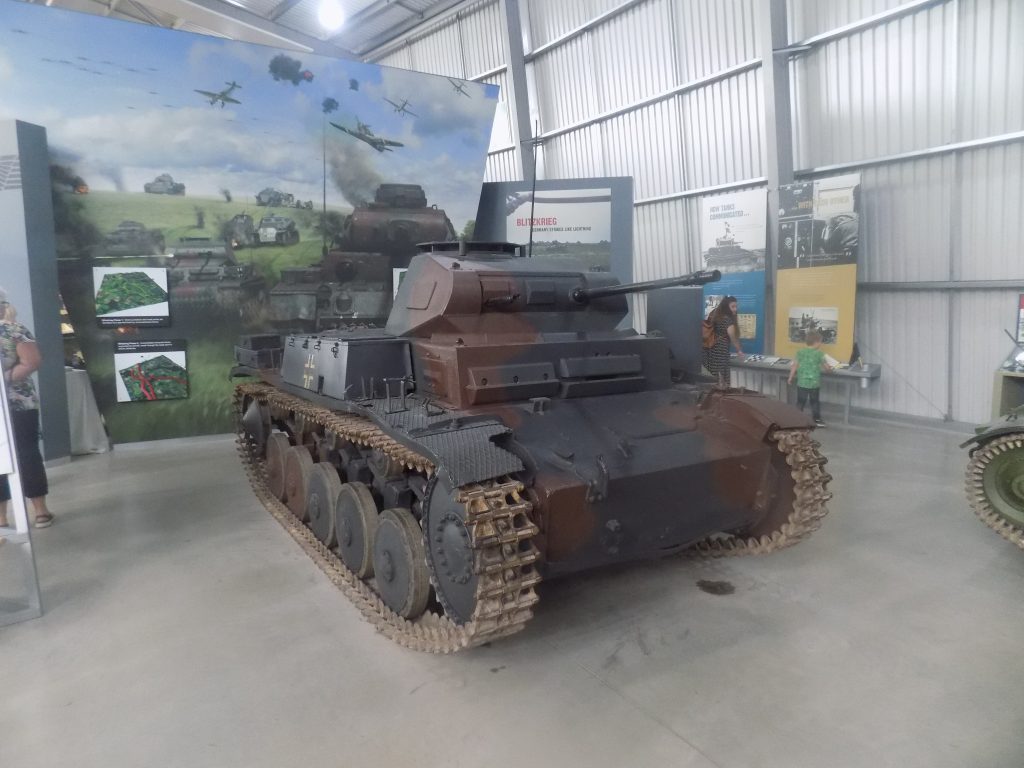
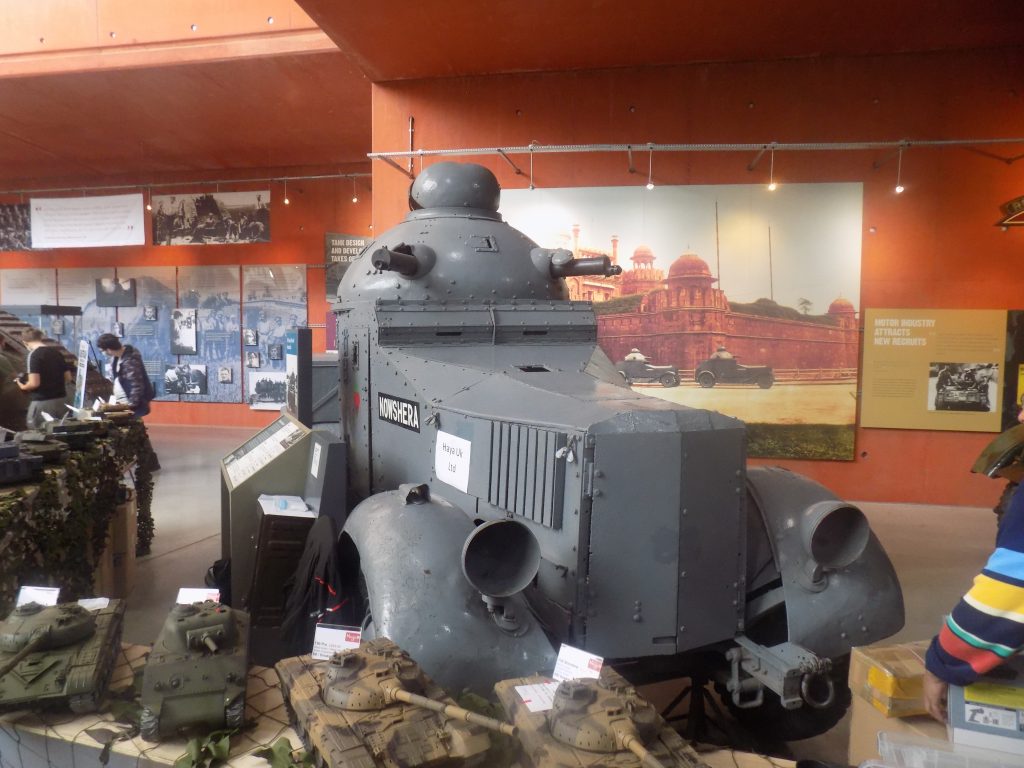
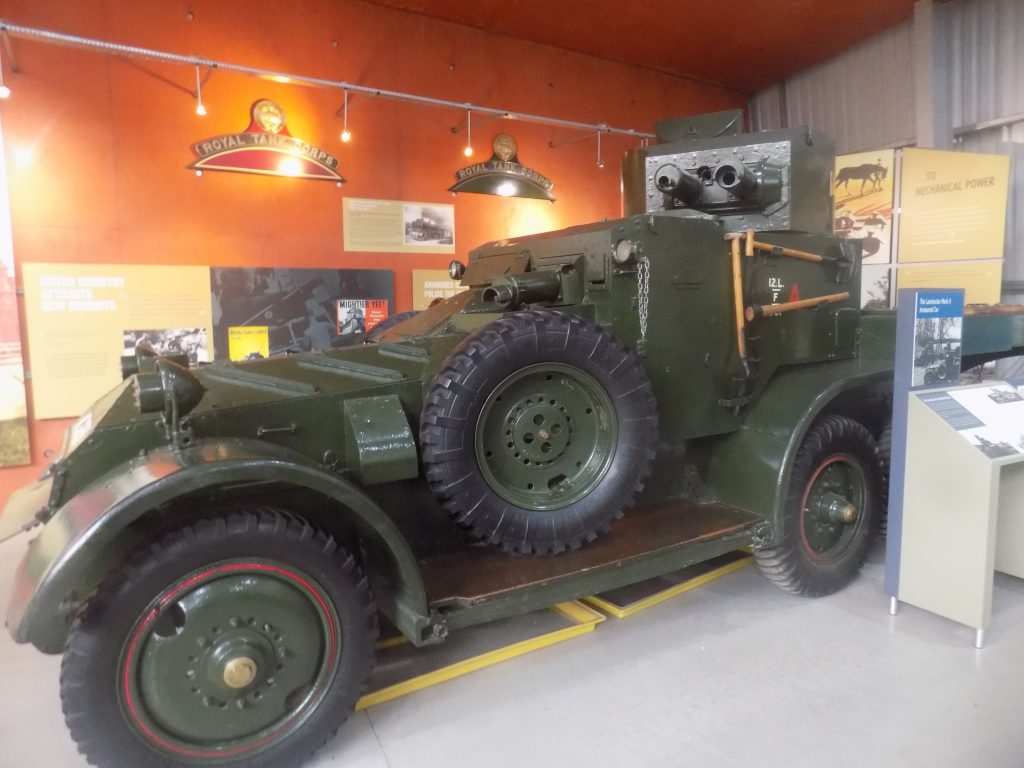
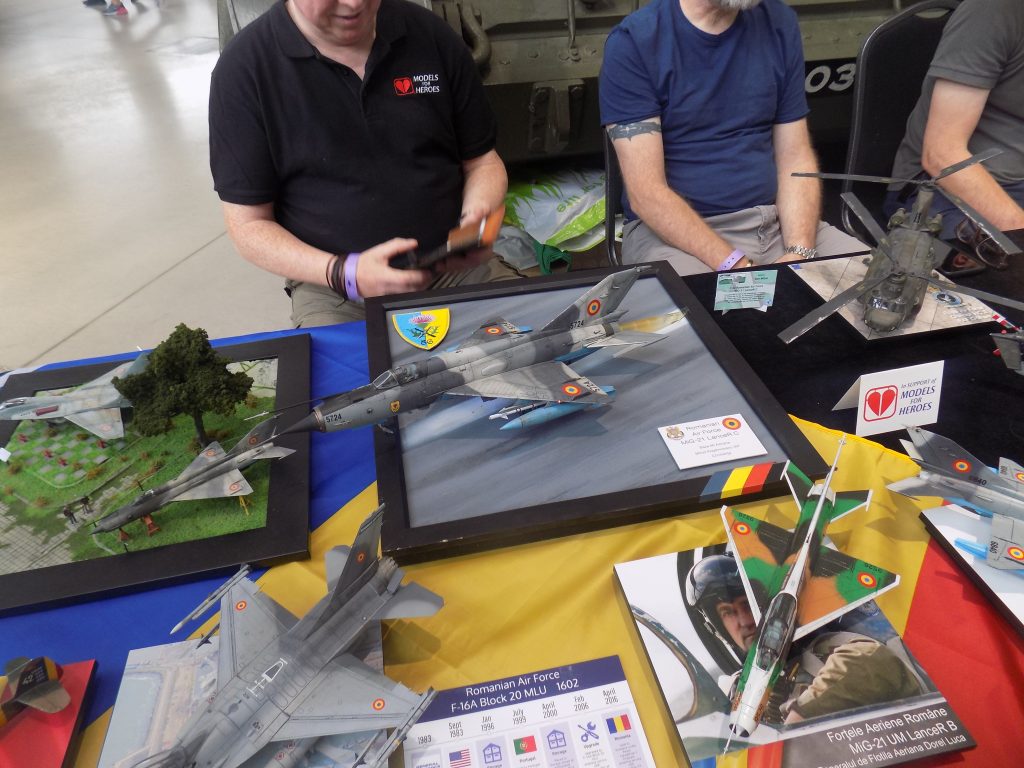
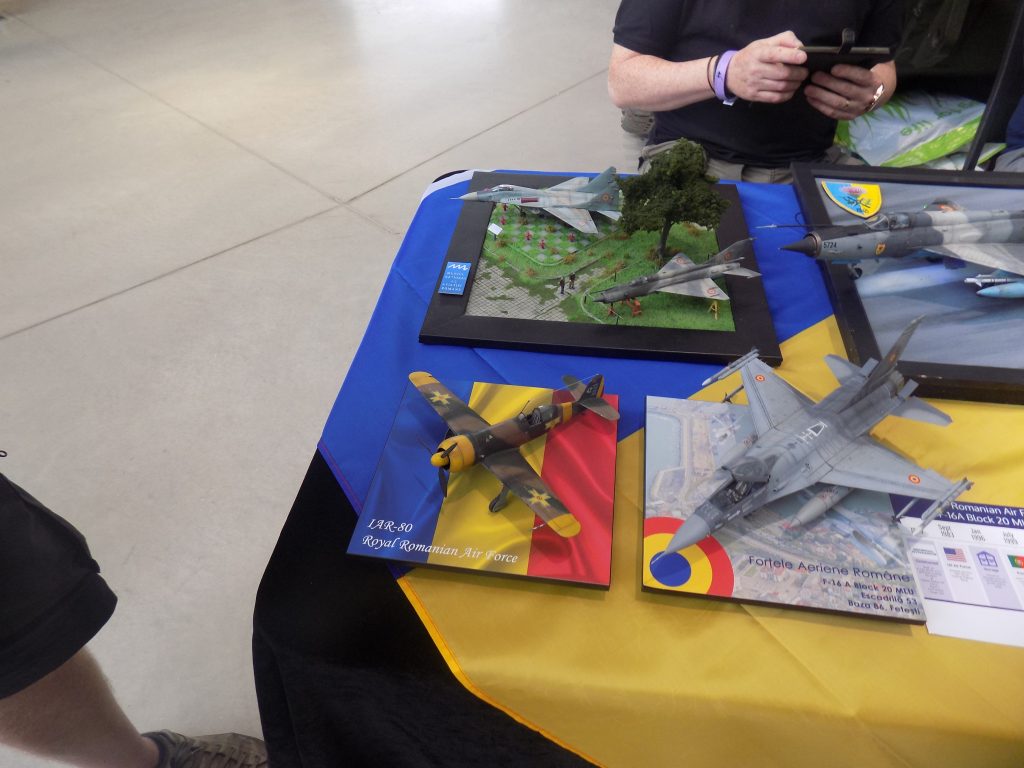
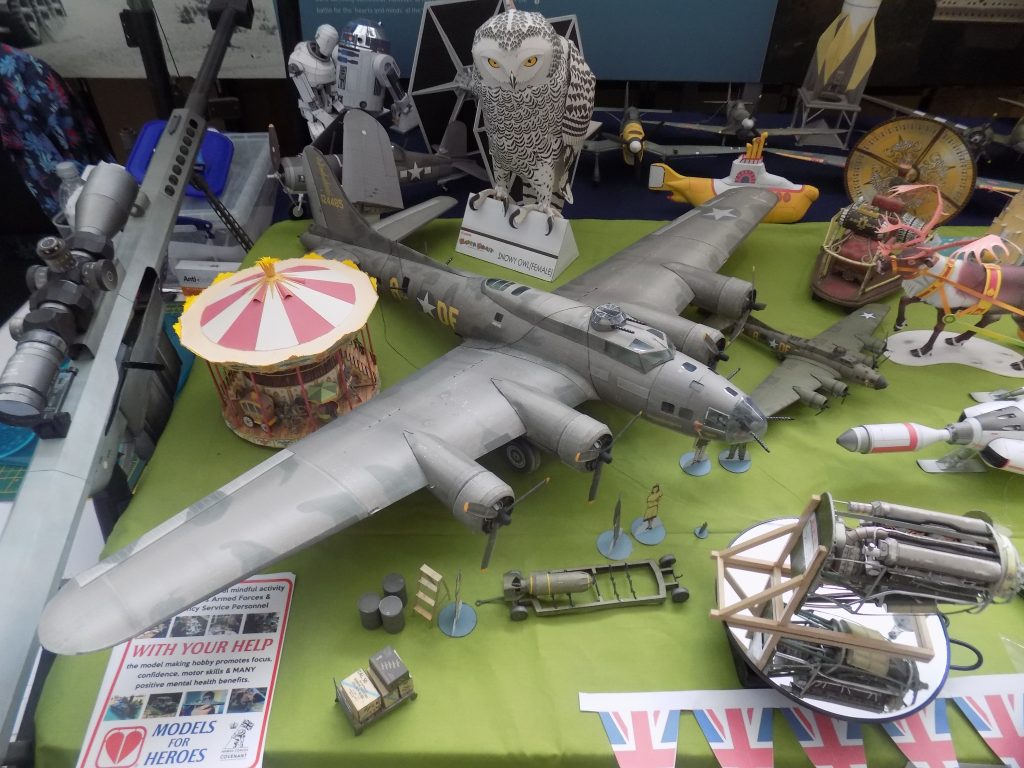
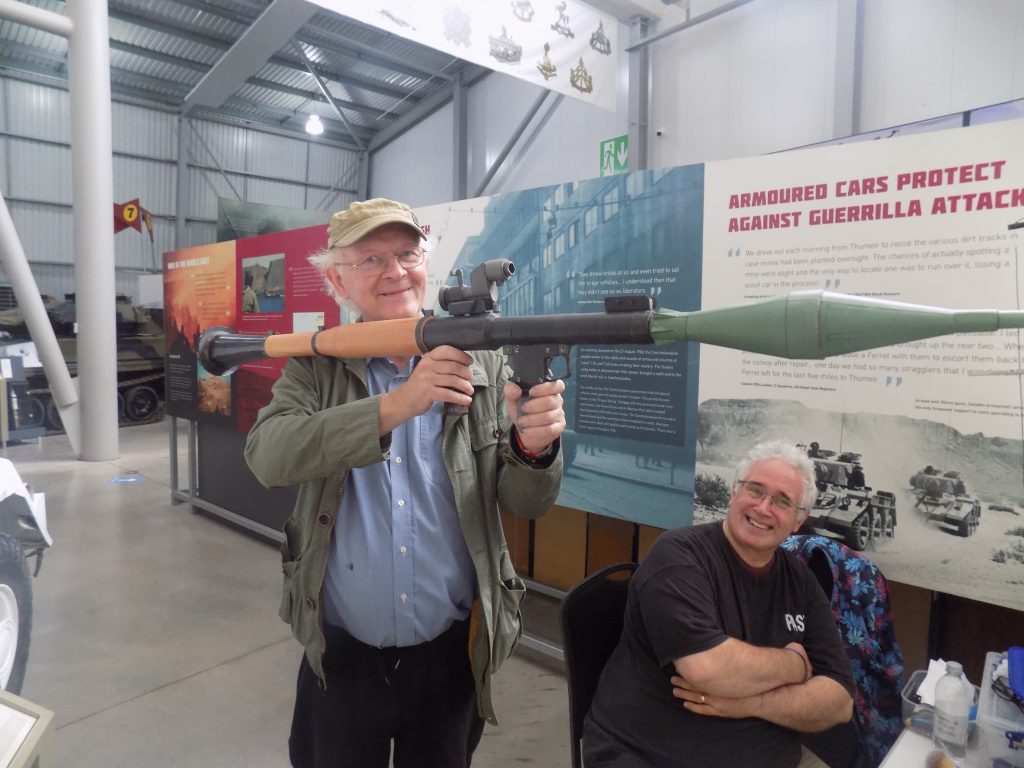
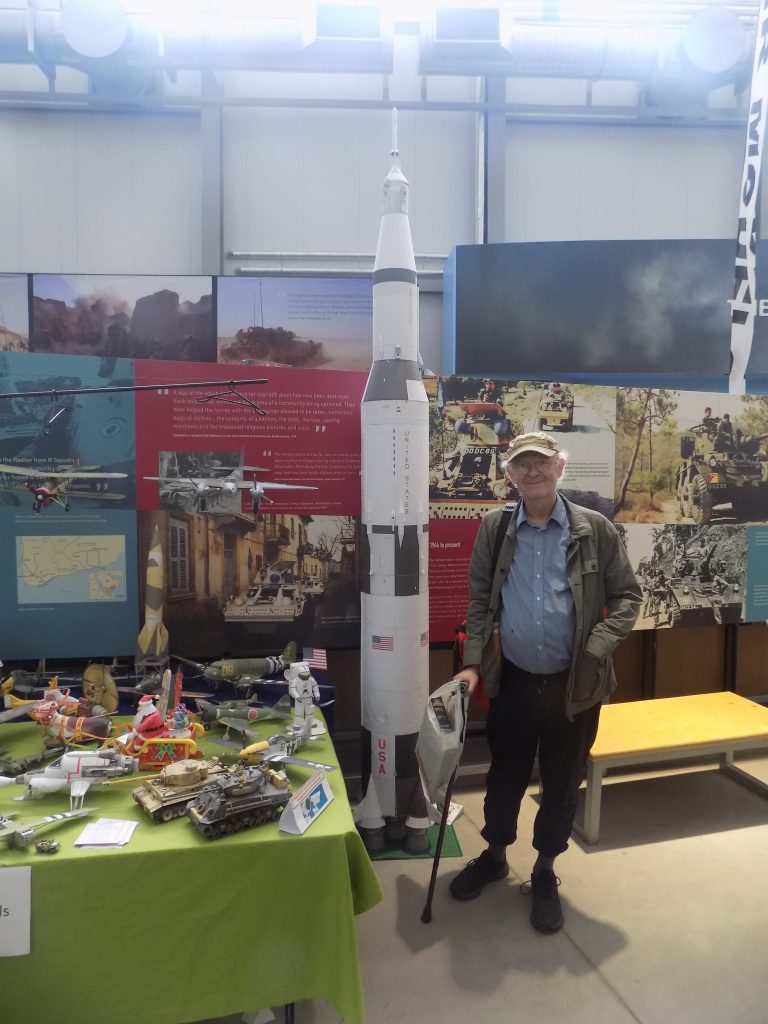
To enter the museum, you first had to get past the Daleks on guardGreat LRDG Chevrolet and diorama Sherman Firefly-the real one not a model! One of the many tanks on my to do wish list.This is my good friend and companion Richard at the show who is also now a keen modeller. Not sure if he is texting his mistress or trying to find out how Exeter City are doing.Wide variety of FWW models. Nice to see an often neglected area of modelling.I was very impressed by some of the smaller scale models such as these 1/72. I started out modelling in 1/72 and seeing the amazing detail of these am tempted to go back to it!Yours truly with a French Renault FT-17 which stars in my gas attack diorama!Another favourite the French Somua from WW2No visit to the museum is complete without seeing the TigerAnd the beautiful Panther also has to get a look inTo balance things up, I had to include a Soviet T-34, although this is a captured trophy tank or what the Germans called a ‘Beutepanzer’, at least that’s how it’s been depicted. The Germans used captured Soviet tanks and other AFVs to augment their own forces on the eastern front and to gain insight into Soviet technical skills.Showing the crude welding around the hatches-useful for when I get round to building a model of one!There was a gantry so I had a chance to take a rare view of the top of the tankThe wide tracks necessary for travelling in snow and mudAnd another view you don’t often see, the rear, but very useful for modellers like me!The tiny German Pzkpfw 1 light tank, hard to believe it was still in use at the start of WW2. However, experience of using this tank in the Spanish Civil War helped the Germans in the invasion of Poland, France and the Soviet Union. Later the chassis would be used for assault guns and tank destroyers (such as the Marder model I have displayed on this site).Richard surveying some Allied armour models. The displays were very well done and there were also lots of stalls selling models. Modellers’ heaven!Crossley Chevrolet armoured car which was used in India. A lot of the exhibits I had not seen before and I believe must have been recently acquired and restored.Lanchester armoured car. I have a soft spot for old armoured cars.This modeller had a passion for the Romanian Air Force and why not their aircraft are very colourful. I was particularly impressed by the big Trumpeter 1/32 scale Mig21 taking offThis was an amazing display. Believe it not, all these models are made from card from instructions freely downloaded off the internet!As close as I will ever get to firing an RPG unless I join the Taliban!Next to Apollo Saturn launcher. Branson and Bezos eat your hearts out!
A great day out and inevitably Richard and I ended up buying a few more model kits for our ever growing stashes! Thanks to Richard again for successfully and safely navigating us there and back.
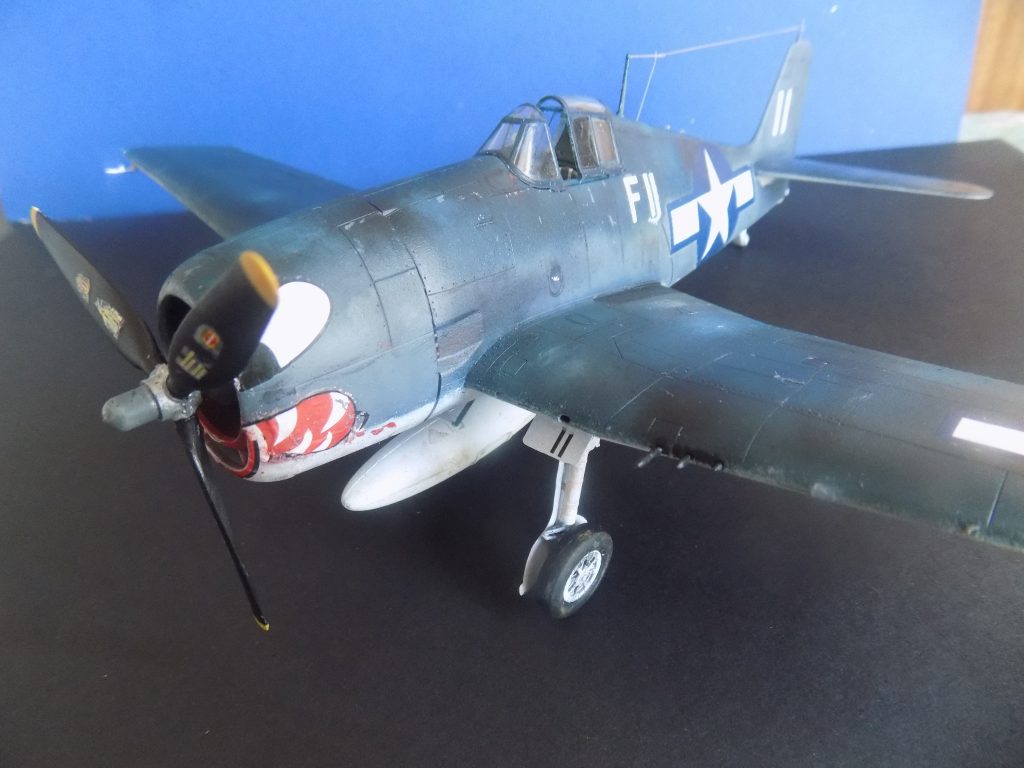
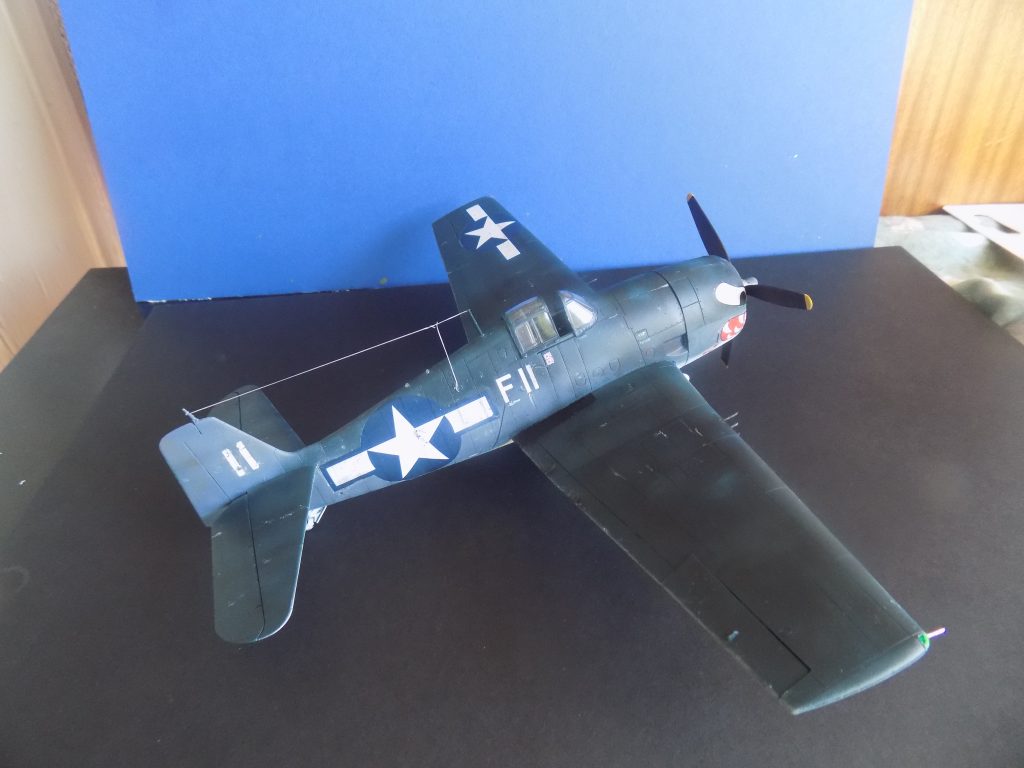
The business end of the brute showing the aircraft’s wonderful lines. Hellcats were very robust and needed to be as they flew off carriers. They could take a lot of punishment and carried bombs, rockets and machine guns. It was a follow on from the Grumman Wildcat.
This is the second 1/48 scale Hellcat model I have made. The first, by Hasegawa, was very fine as you would expect from the Japanese manufacturer. It was only let down by the decals which were not opaque enough. Unfortunately, while attempting to airbrush over them, a slight mishap occurred-a load of model boxes from my stash fell on top of it and put paid to her glorious career!
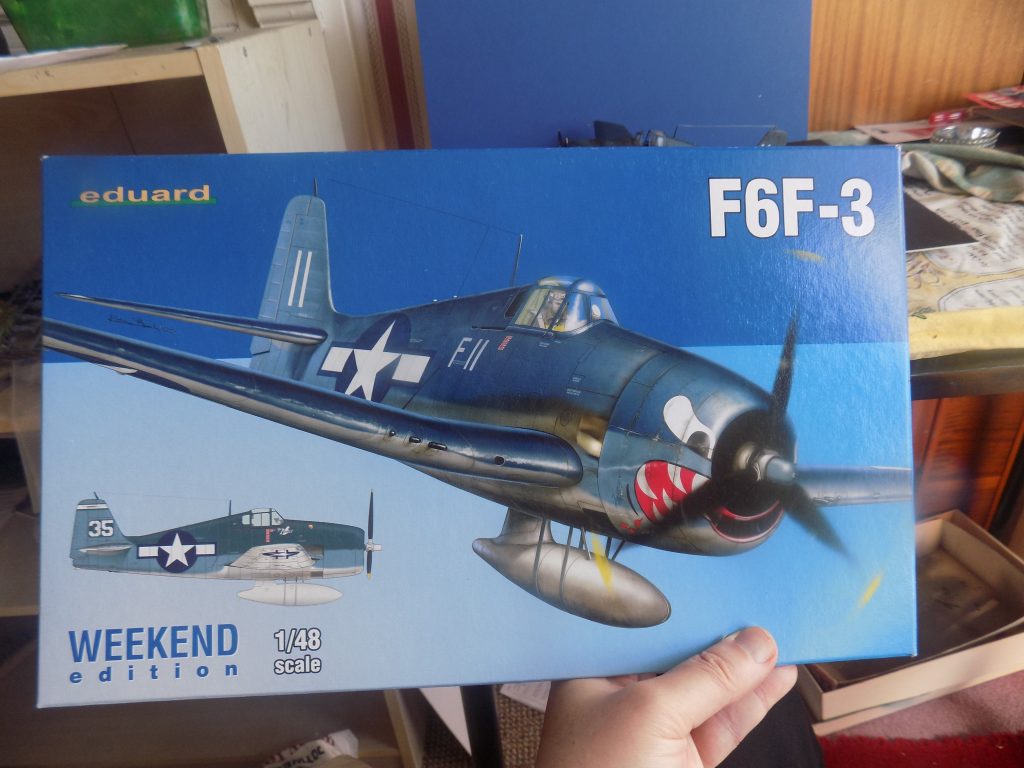
This Hellcat is by Czech manufacturer Eduard. At first glance it seemed an excellent kit for a reasonable price. However, during construction, I found the fit was slightly out in the wings and fuselage and the instructions are a little unclear in places, especially with the incredibly complicated undercarriage structure. Nevertheless, I persevered only to find at the end the decals were incredibly thin and curled very easily. Still, I managed to get most of them on ok but I left off most of the tiny stencils which were barely visible. Overall, despite the great surface detail, Eduard kits in my opinion leave a lot to be desired, although you can’t really complain about the price of their cheaper ‘Weekend’ offerings.
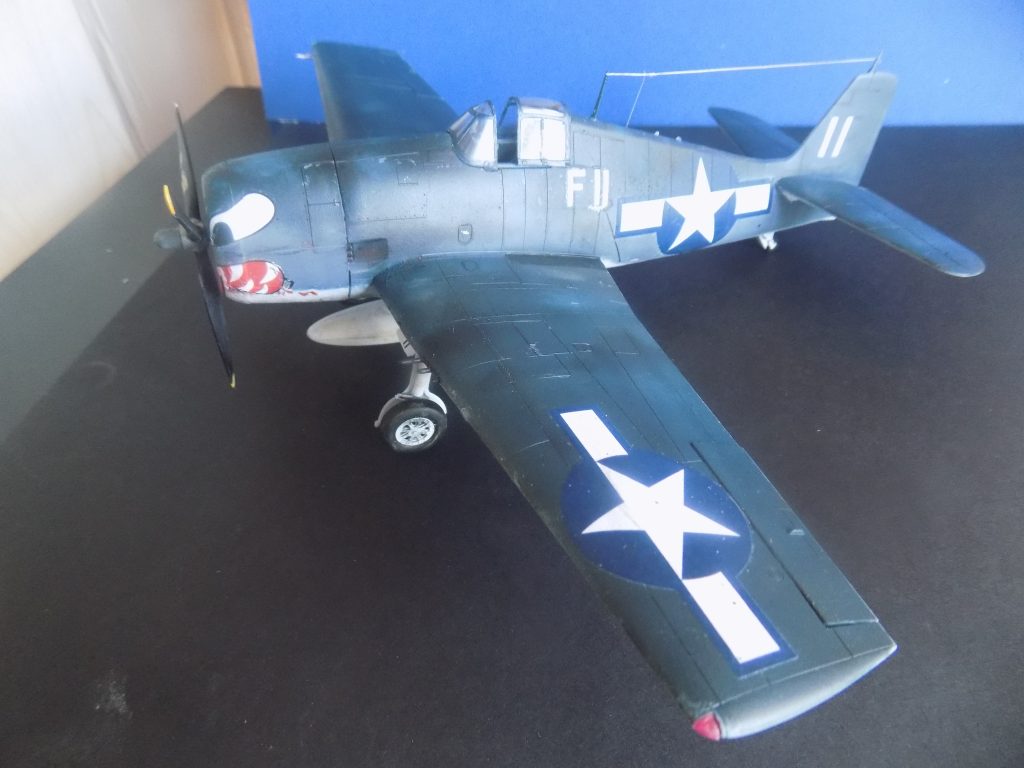
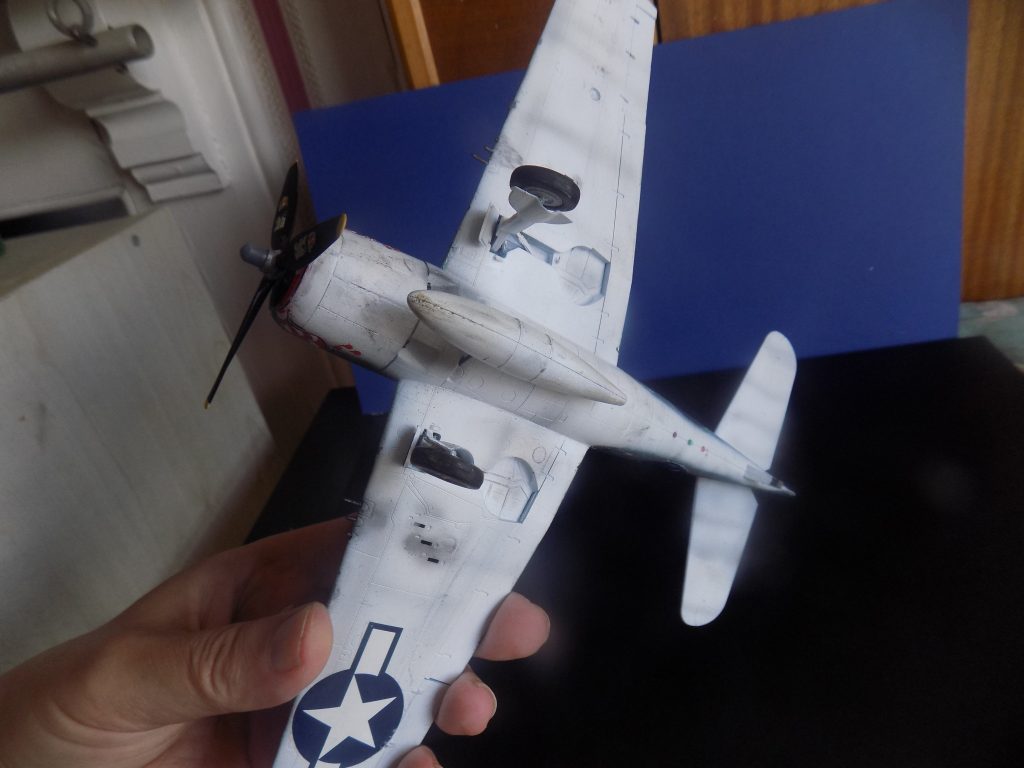
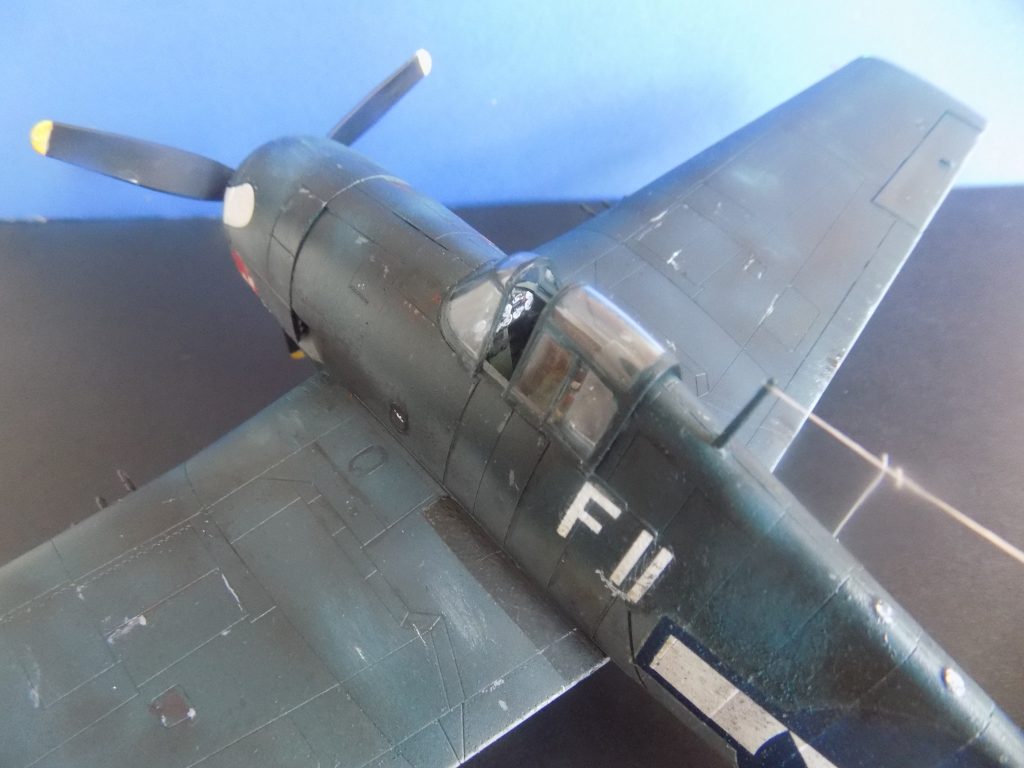
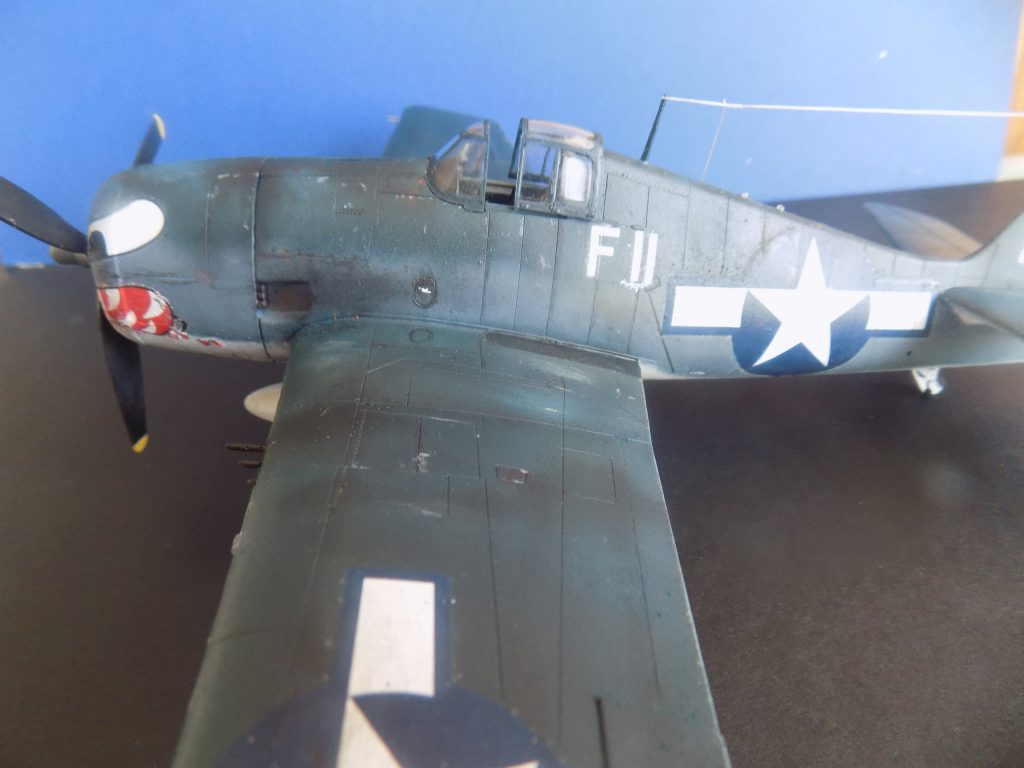
This aircraft with the striking shark mouth markings was part of VF-27 on board the carrier USS Princeton (CV-23). The Hellcats wreaked havoc everywhere they operated in the Pacific. I have given mine quite a weather beaten appearance. Overall, they accounted for some 200 enemy aircraft. This Hellcat has the uncommon ‘F11’ markings and with two kill markings in the form of small Japanese flags below the cockpitMore weathering underneathI really like the three colour camouflage scheme of these American Pacific theatre aircraft. You can really go to town on the weathering too, although I tried not to get carried away! I think subtlety can be far more effective.I tried to achieve a subtle feathering between the main colours with my airbrush and despite using a 0.3mm needle, it turned out not too badly, if I say so myself!Box art
Fascinating documentary about the ‘brute’ by the American and British pilots who flew them.
For those of you with an engineering bent, how the Hellcat was built! I never imagined a film about a production line process could be that fascinating till I saw this! This film gives a glimpse in the power of American manufacturing during WW2 and just confirms how insane the Japanese were to take on the USA!